


- <
- Blog /
Preparing for Q4: Why You Should Order Early
27 July 2026
No, we've not gone mad, it really is time to think about your end of year goals! Q4 is the most demanding period in the packaging calendar, particularly for Christmas-driven retail, gifting, and e-commerce. For smaller businesses and brands, this is not simply a busy season, it’s a constrained supply window where lead times extend, stock availability tightens, and product capacity comes under sustained pressure. Early planning is therefore less about preference and more about prerational certainty.
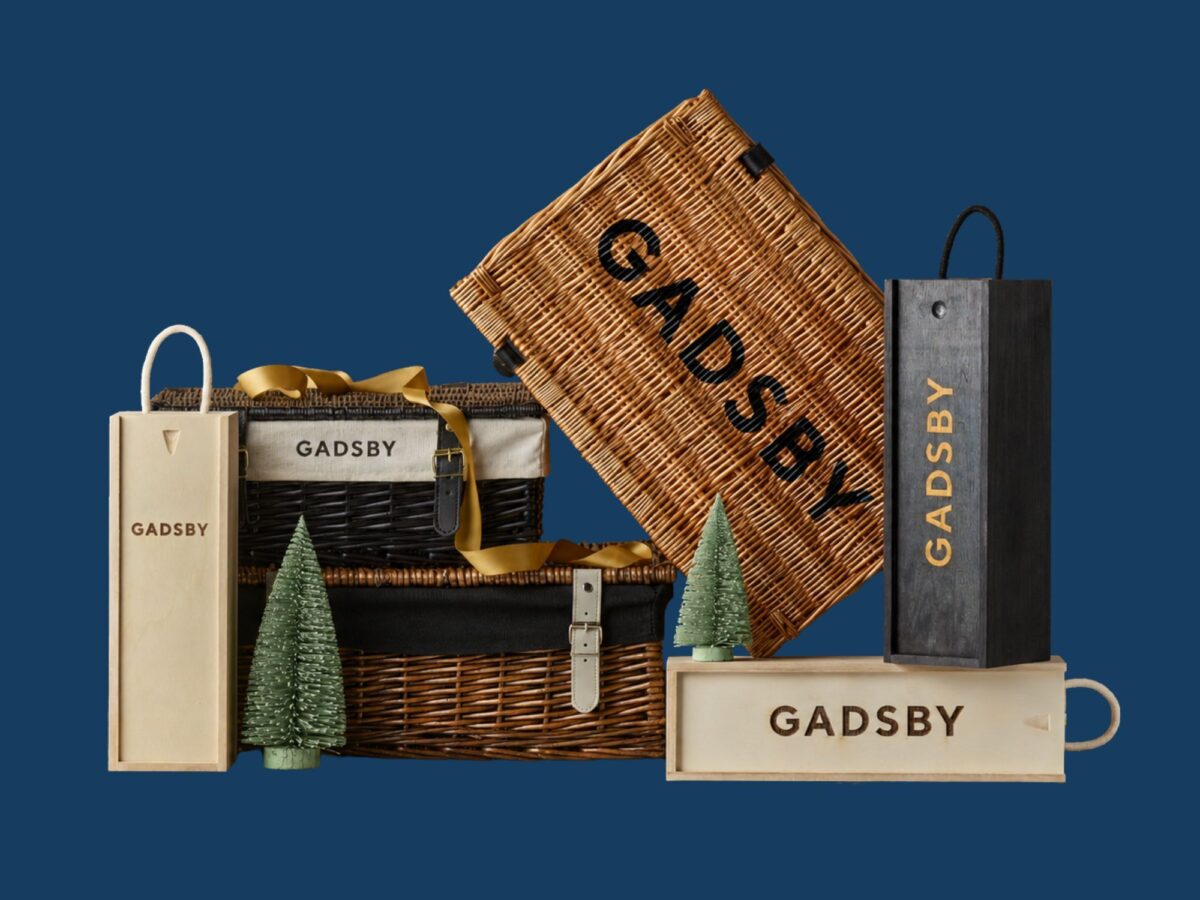
At Gadsby, we see the same pattern every year: demand rises sharply across multiple sectors at once. Gift retailers, hamper businesses, corporate gifting suppliers, and seasonal e-commerce brands all place orders within a similar timeframe. This convergence creates bottlenecks across manufacturing and logistics, meaning that even well-prepared supply chains experience extended lead times as Q4 approaches.
Why early ordering is critical
Packaging supply operates on structured stock cycles and forward-planned production schedules. Inventory is typically replenished in planned batches, and once Q4 demand accelerates, available stock can move quickly between allocation points. Often this means that waiting until autumn to place your Christmas order will result in reduced choice, longer lead times, or restricted availability of key lines.
Early ordering allows us to allocate production capacity efficiently and secure stock against forecast demand. It also gives you the flexibility to refine assortments rather than settle for what remains available at peak season.
Beyond stock: using Q4 planning to strengthen branding
For smaller brands, Q4 planning is also a key opportunity to take your packaging to the next level through branding. Packaging is no longer just protective, it’s a core part of the customer experience, particularly in the gifting and festive retail space.
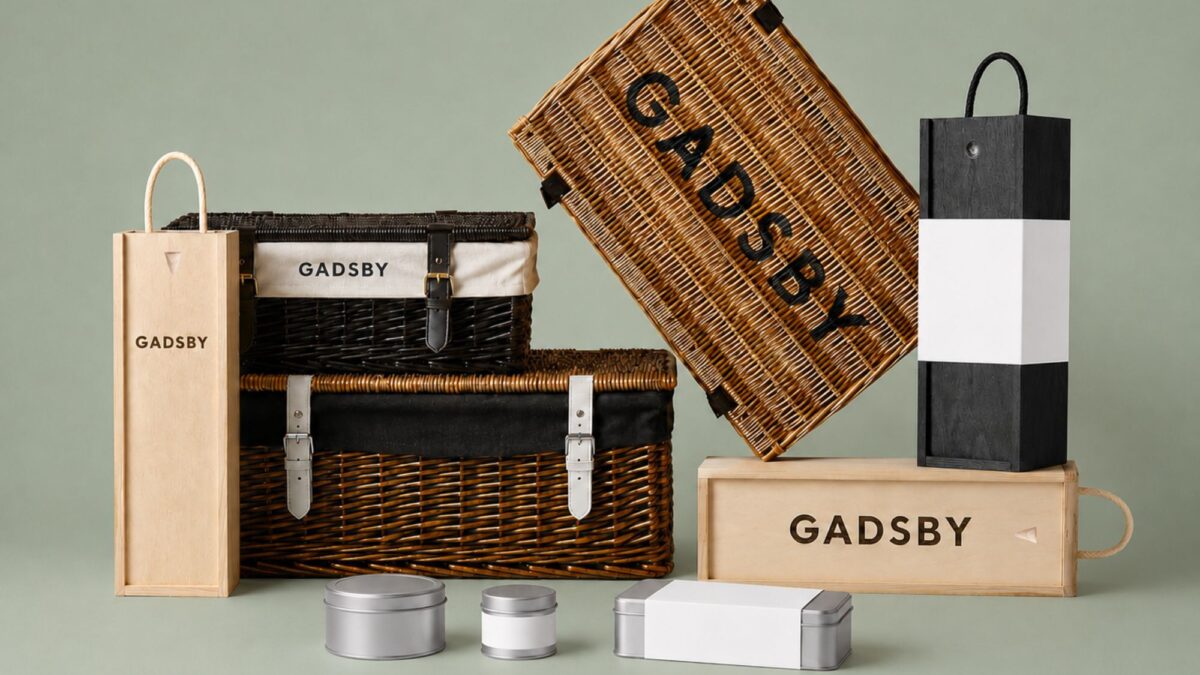
Our branding options are designed to support this without the complexity of full bespoke manufacturing. Techniques such as fabric printing, hamper lid stencilling, and laser engraving allow trade customers to transform standard stock packaging into branded, seasonal-ready presentation pieces. These methods are particularly effective for Christmas ranges where visual impact and perceived value are critical.
Because branding can be applied to stocked products with relatively short lead times and low minimum order quantities, it enables smaller businesses to compete with larger retailers without committing to long development cycles. In practice, this means packaging becomes part of the story rather than a purely functional requirement.
Key branding options for seasonal impact
Fabric printing is widely used across bags, lining, and textile elements to introduce colour and identity at scale. Hamper stencilling provides a strong, traditional finish for wicker presentation packaging, while laser engraving offers a premium, permanent branding solution for wooden boxes and corporate gifting ranges. Each approach supports different positioning strategies, from high-volume seasonal retail to premium, bespoke gifting.
The risks of leaving it too late
Delaying stock orders into Q4 significantly reduces flexibility and if you leave your branding until then, we probably won’t be able to help you at all. Available ranges become narrower, branding slots fill quickly, and lead times extend just when speed to market matters most. For seasonal businesses, this can directly impact campaign launches, retail readiness, and fulfilment timelines during peak trading weeks.
There’s also commercial cost: reduced differentiation. Without branded packaging in place, products risk blending into crowded seasonal markets where presentation is a key purchase driver.
Planning ahead for a stronger Q4
Effective Q4 preparation is built in stages. Core packaging requirements should be defined early in the year, with branded SKUs confirmed ahead of peak production periods. Forecasting demand and aligning packaging decisions with marketing calendars helps ensures that supply and presentation work in parallel rather than in reaction to each other.
Smaller brands benefit most from this discipline, as it allows them to secure both availability and brand consistency during the most competitive trading period of the year. It’s ultimately about control - control over stock, lead times, and brand presentation.
By ordering ahead and integrating branding into the planning cycle, you can avoid seasonal pressure points and deliver a more consistent, higher-impact customer experience throughout the Christmas period.