



- <
- Blog /
Sustainable Packaging in 2026: A Guide for Buyers
27 April 2026
Sustainability has moved from a ‘nice-to-have’ to a core requirement across the retail supply chain. In 2026, eco-conscious packaging is no longer driven solely by consumer sentiment, it’s shaped by retailer expectations, regulatory pressure, and the need for transparent sourcing.
For buyers, this shift presents both a challenge and an opportunity: sourcing packaging that not only meets environmental standards but also delivers commercial value.
What eco-conscious packaging means today
Eco-conscious packaging in 2026 goes beyond simple “green” claims. Buyers are increasingly looking for products that combine renewable materials, reusability, and responsible sourcing. The emphasis has shifted toward packaging that fits with a circular economy - items designed to be reused, repurposed, or easily recycled.
Transparency is equally important. Retailers want confidence in where products come from, how they are made, and the environmental impact across the entire supply chain. As a result, traceability and credible certifications are becoming essential components of any buying decision.
Key trends buyers should watch
Several clear trends are shaping packaging choices this year. First, reusable packaging continues to outperform disposable alternatives. Products that double as storage or homeware offer added value to end consumers, making them easier to justify at higher price points.
Natural materials are also seeing a strong resurgence. Wood, wicker, and bamboo are increasingly favoured for their aesthetic appeal and renewable properties. Alongside this, minimalist packaging is gaining traction, with retailers opting for simpler designs that reduce waste and align with sustainability goals.
Finally, compliance is becoming more prominent. Buyers are under growing pressure to demonstrate responsible sourcing and meet environmental targets, making supplier credibility more important than ever.
Sustainable packaging lines with retail appeal
For buyers, the key is finding packaging that balances sustainability with strong sell-through potential. Reusable, natural-material products are particularly effective in this space.
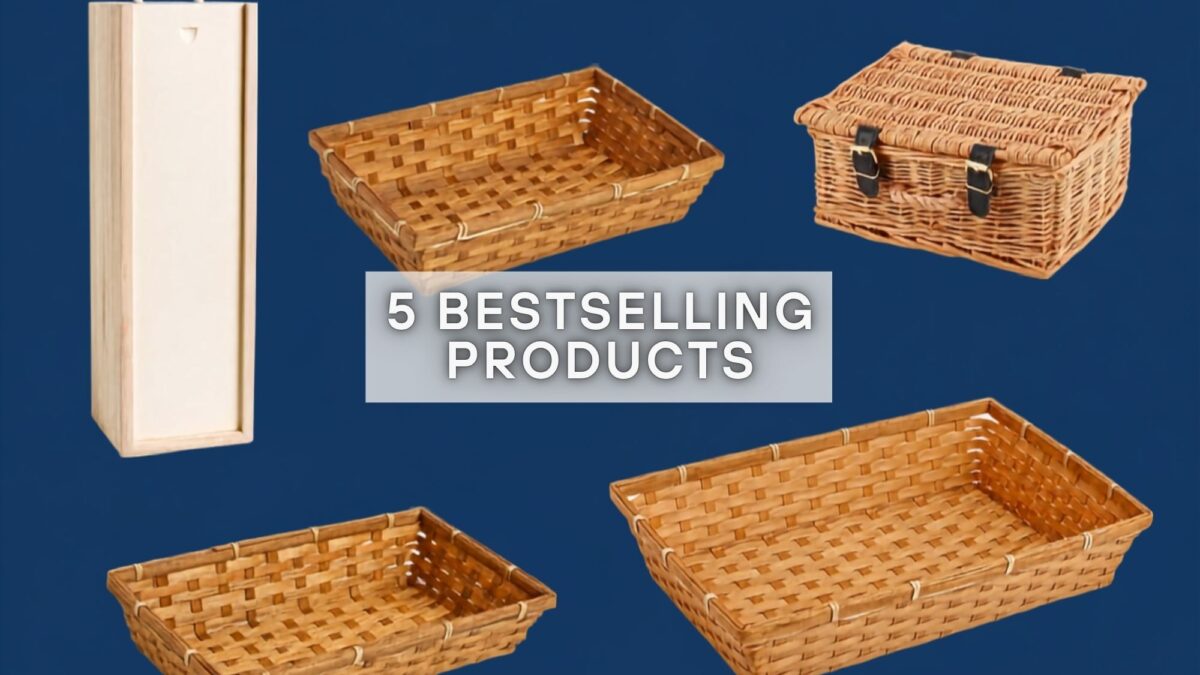
Wicker hampers remain a staple for gifting and seasonal ranges, offering durability and long-term reuse. Their traditional appeal continues to resonate with consumers looking for both practicality and presentation.
Bamboo trays provide a more contemporary option. As a fast-growing, renewable material, bamboo combines sustainability with a clean, modern aesthetic that works well across a variety of retail environments.
Understanding certifications
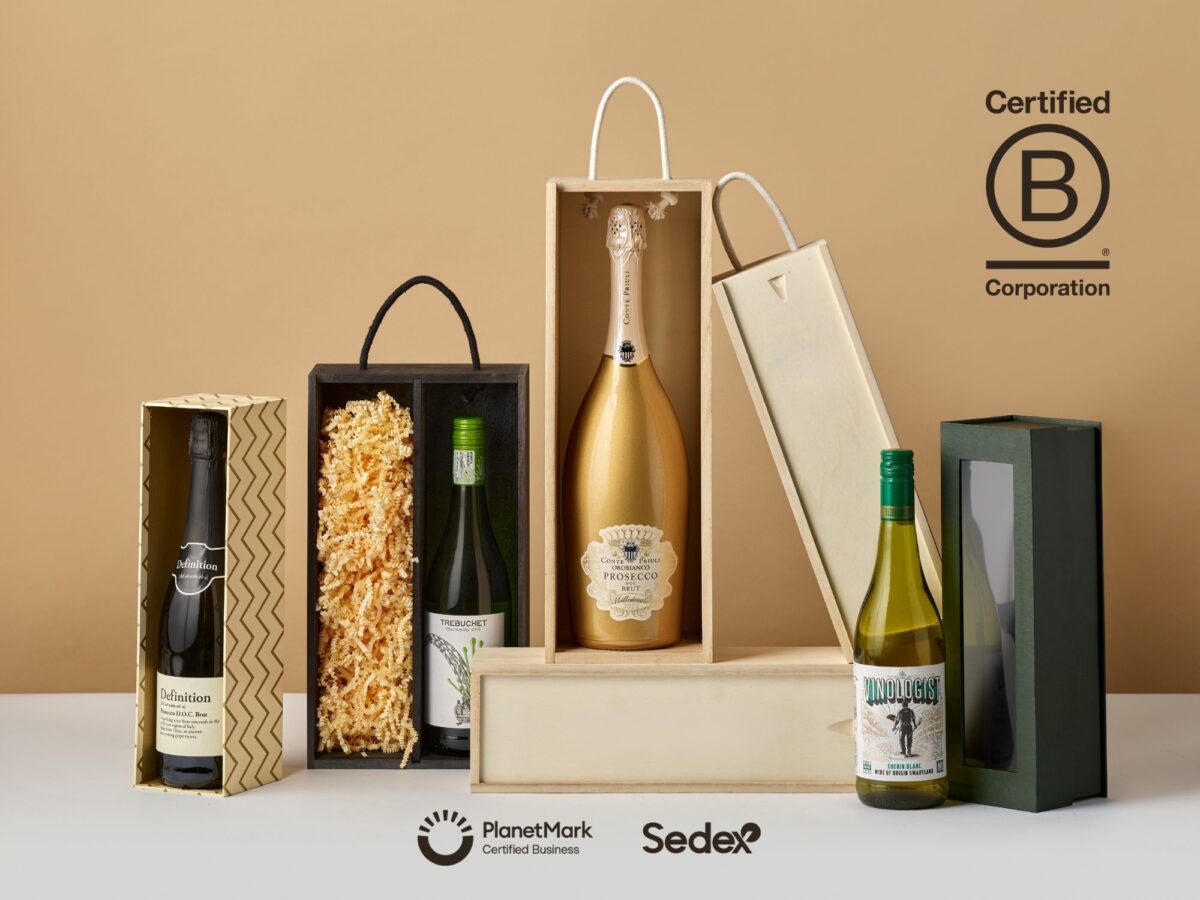
Certifications are increasingly influencing purchasing decisions, providing reassurance around environmental and ethical standards. Schemes such as Planet Mark demonstrate measurable progress in carbon reduction, while Sedex focuses on ethical supply chains and responsible sourcing practices. B Corp certification goes further, reflecting a broader commitment to social and environmental performance.
For buyers, these credentials help reduce risk, support ESG targets, and provide credible messaging that can be passed on to retail customers.
Why it matters for buyers
Eco-conscious packaging is no longer just about sustainability; it’s about staying competitive. Retailers are actively seeking products that align with their environmental commitments, and consumers are more likely to choose items that reflect those values.
By sourcing responsibly, buyers can enhance brand perception, meet retailer requirements, and future-proof their ranges against evolving regulations.
Looking ahead
As the market continues to evolve, eco-conscious packaging will remain a key differentiator. For buyers, the focus should be on products that combine sustainability, functionality, and retail appeal - supported by transparent sourcing and credible certifications.
Partnering with suppliers (like us) who understand these priorities will be essential in building ranges that not only meet demand but drive long-term growth.