

Packaging As Silent Sales Members
What should your packaging communicate without words?
Packaging does more than protect what's inside. It can set expectations, communicate your brand values, and shape how a customer perceives a product before they even open it.
Consider the difference between receiving a luxury gift in a beautifully presented wicker hamper, opening a carefully branded corporate gift box, or getting an everyday product in a plain cardboard carton. The packaging immediately gives you clues about what's inside, who it's for, and how you're expected to feel about it.
In other words, your packaging is communicating before your customer reads a single word.
So, what is your packaging saying?
Packaging is part of your brand experience
Your packaging is often one of the first physical interactions a customer has with your brand. For online retailers, this matters even more. Customers can't touch or examine a product before buying it, so packaging, photography and other visual cues help establish expectations.
The material, colour, shape, texture and finish can all contribute to these expectations. Research has found that design can influence perceptions of both sustainability and product quality, demonstrating how much meaning customers can attach to packaging cues.
This doesn't mean your packaging needs to be elaborate. It's often about making deliberate choices rather than adding more design elements.
The key question is: does your packaging communicate the same qualities that you want customers to associate with your product and brand?
Is this a gift or a product?
One of the first things packaging can communicate is what role the product is intended to play.
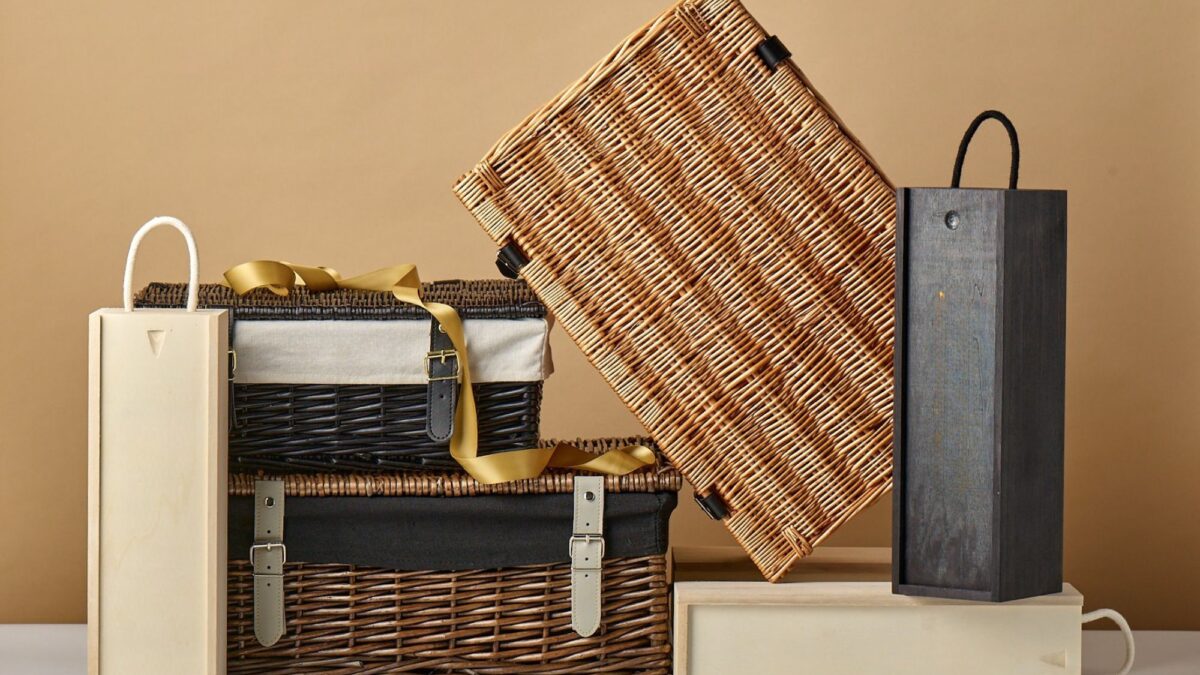
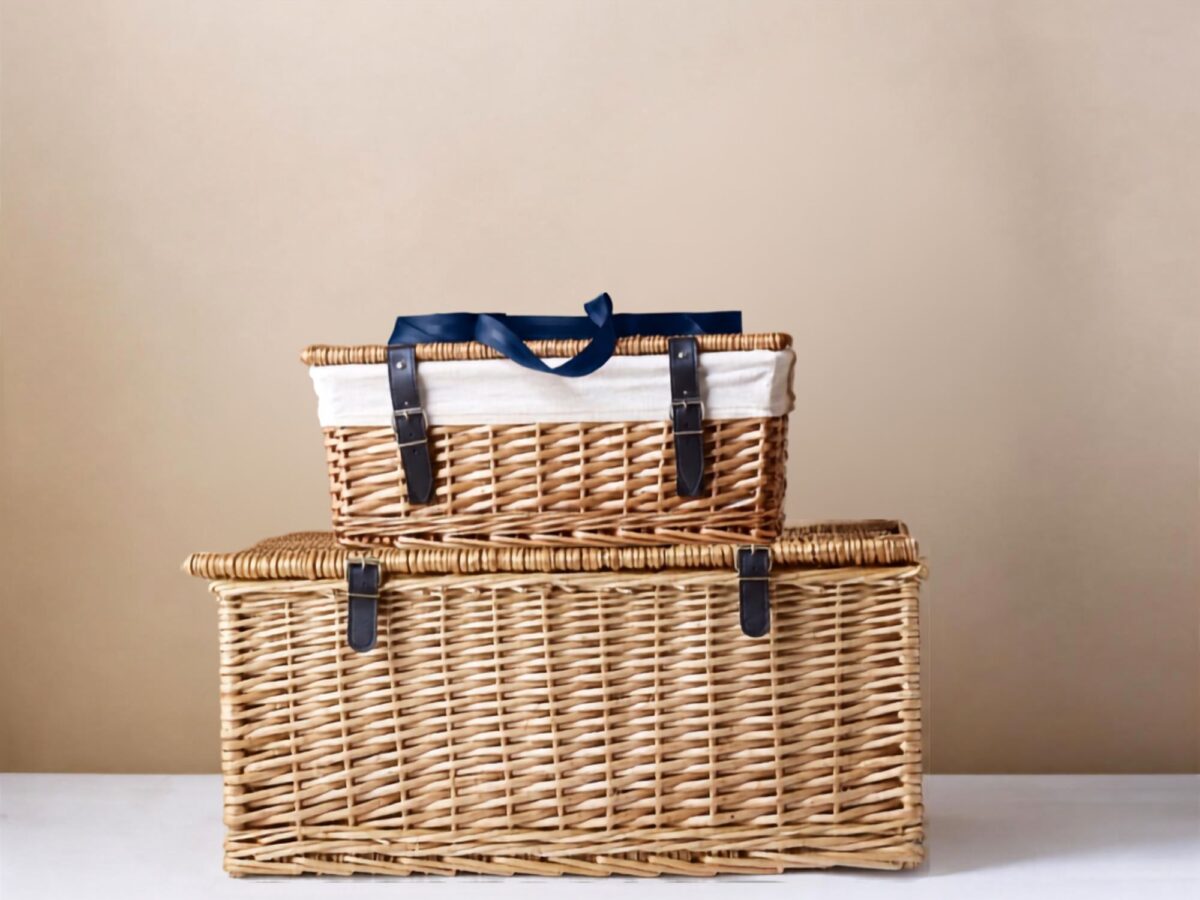
A gifting range naturally creates a sense of occasion. A wicker hamper, rigid gift box, wooden crate, or finished gift tray can immediately suggest that the contents have been selected to be given to someone.
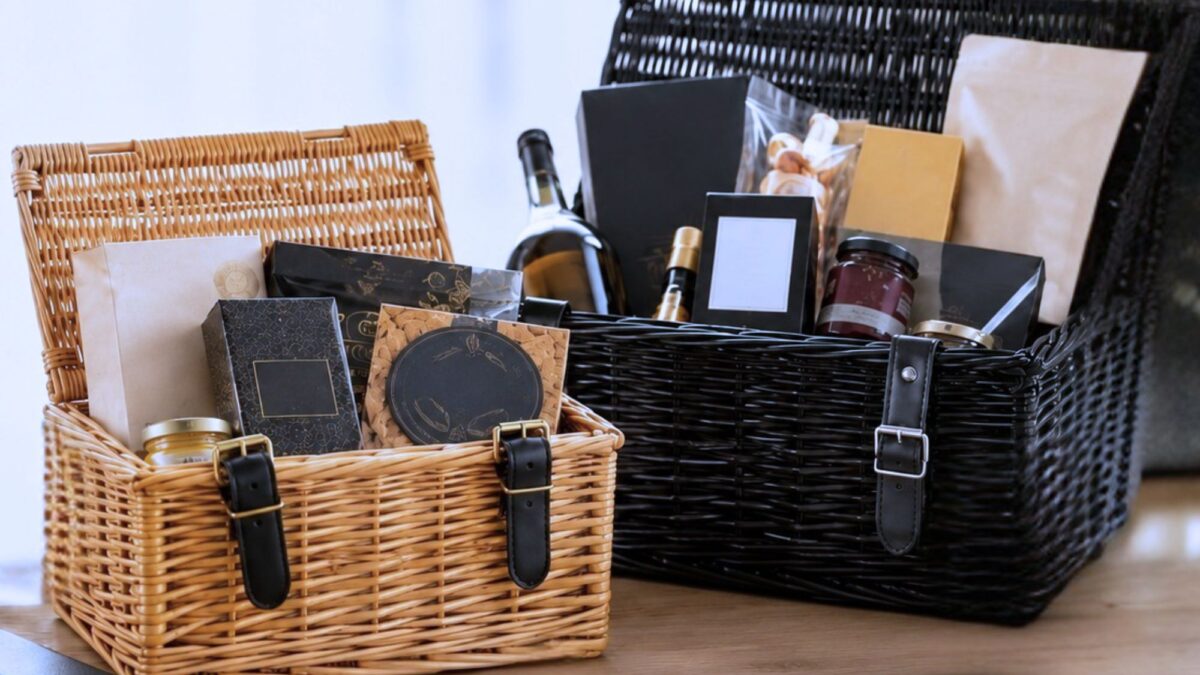
For a hamper business, this can be particularly important. A collection of products placed in a generic box may technically be a gift, but considered presentation can transform it into something that feels like a complete gifting experience.
Ask yourself: does the packaging make the contents feel gift-worthy and curated, or bundled together?
Is it premium or practical?
Packaging can also influence perceived value.
Materials, construction, and finishing details can affect whether something feels luxurious, practical, rustic, modern, or economical. A substantial rigid box might suggest premium gifting, while natural wicker or wood can create associations with craftsmanship and authenticity.
The important thing is consistency.
If you're selling a premium product but the packaging looks cheap or poorly considered, there can be a disconnect between the product and its presentation.
Equally, if your product is positioned around affordability and convenience, unnecessarily elaborate packaging could work against that proposition. Your range should support the price point, not contradict it.
A useful test is to look at the packaging on its own and ask: what price would I expect the contents to be?
Does it feel ethical and/ or sustainable?
It can communicate something about your brand's values, too.
Natural materials, recycled content, reusable formats, and minimal packaging can all create associations with sustainability and responsible consumption.
But packaging that looks sustainable isn't necessarily sustainable. Consumers can make assumptions about environmental credentials based on visual cues, so sustainability needs to be more than an aesthetic choice.
If you want it to communicate responsible sourcing or environmental consideration, make sure the physical packaging is supported by genuine decisions about materials, sourcing, manufacturing, longevity, and end-of-life. You can find out more about our sustainability story here.
A timeless, long-lasting wicker hamper, for example, can become part of the product experience if the recipient can continue using it for storage or future gifting. Don't just make packaging look sustainable; make the underlying choices sustainable too.
Is it indulgent, thoughtful, or corporate?
The same products could be presented in very different ways depending on who is buying them and why. A Christmas hamper might need to feel generous and celebratory. A Valentine's gift could be more indulgent and personal. A corporate gift might need to feel sophisticated and considered without becoming overly decorative. A farm shop hamper might benefit from natural materials and traditional details that reinforce a sense of provenance and craftsmanship.
The packaging doesn't need to literally spell out these characteristics. Its design can create the association. It should help communicate the right feeling before the customer gets to the words.
Does your packaging tell the same story as your product?
It's easy to design it around what you want your brand to say. But the more important question is what your customer needs to hear.
A luxury customer might look for quality and attention to detail, while someone buying an artisan food hamper might respond to natural materials, craftsmanship and provenance. A corporate customer may prioritise professional presentation, brand visibility and consistency.
There isn't one universally successful packaging style.
Your website, photography, product and packaging don't need to look identical, but they should feel as though they belong to the same brand. If your website communicates understated luxury but your packaging feels cheap or overly busy, there is a disconnect. Likewise, if your brand talks about reducing waste but uses unnecessary layers of packaging, customers may notice the contradiction.
The right packaging is the packaging that makes sense for your customer, your product, and your brand.
Don't overlook the unboxing experience
Packaging isn't finished when the product reaches the customer. For gifting businesses, the unboxing is part of the experience.
Think about what the customer sees when they first open the outer packaging:
- Is the gift immediately visible?
- Are the products neatly arranged?
- Does the presentation feel considered?
- Are there unnecessary layers that get in the way?
- Does the packaging make the contents feel more valuable?
The customer isn't simply buying a collection of individual products. They're buying the convenience of a ready-made gift and, often, the experience of giving it.
Let your packaging do the talking
You don't need to start from scratch. At Gadsby, we supply a wide range of hamper and gift packaging to help businesses create gifts that look the part, from traditional wicker baskets and gift boxes to trays, tins and wooden crates.
Whether you're looking for a classic hamper, a contemporary gift box, or packaging for a more specialist product, the right format can help you communicate your brand before your customer has even opened the gift.
Explore some of our most popular gift packaging options:
- Wicker Hamper Baskets: a traditional and versatile option for creating premium gift hampers.
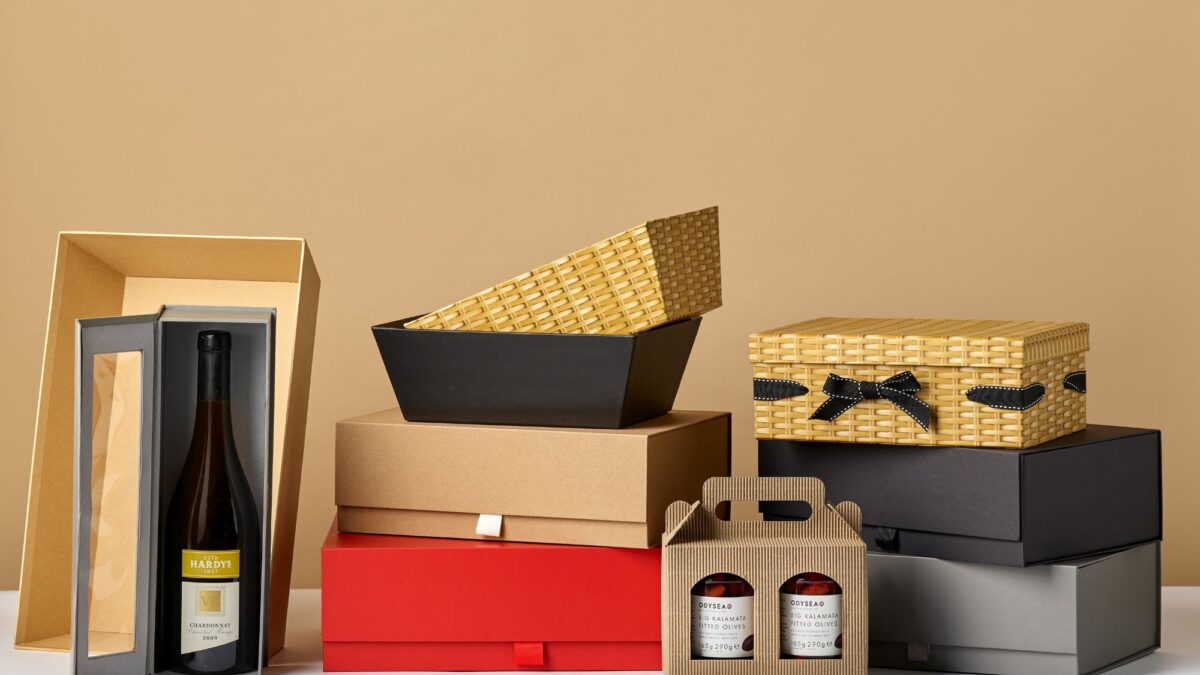
- Gift Boxes: a contemporary alternative to wicker, available in a range of sizes, styles and formats.
- Gift Trays: ideal for creating an open, visual presentation where the products are part of the experience.
- Wine Boxes & Bottle Packaging: designed to present and protect bottles as part of a gift.
- Wooden Hamper Crates: a distinctive option for brands looking for a more rustic or substantial presentation.
- Gift Wrapping, Tissue Paper, Shredded Paper & Wood Wool: the finishing touches that help bring your presentation together.
- Ribbon & Bows: a simple way to add colour, personality and a sense of occasion.
- Transit Packaging: because great presentation needs to survive the journey to the customer.
With so many packaging options available, the key isn't simply choosing something that fits your product. It's choosing something that fits your product, your customer, and your brand.
Need help choosing? Our team can help you find the right packaging for your gifting range.
Return to the Hamper & Gifting E-Learning Hub.