


What Makes a Customer Choose One Gift Over Another
Within the retail sector, customers rarely spend long deliberating between similar products. In fact, many buying decisions happen in a matter of seconds, often right at the moment a shopper reaches the shelf or product display. This is especially true when they’re purchasing gifts. When several options appear equally suitable, small visual cues and presentation details can quickly sway a customer’s choice.
This phenomenon is often described as the “Last 10 Seconds” rule, the final moment before purchase when presentation, packaging, and subtle design details can determine which item ends up in the basket.
For retailers and gifting brands, understanding these last-minute triggers is essential. From visual appeal to packaging design and finishing touches such as ribbon or baskets, seemingly minor elements can dramatically influence purchasing decisions. This guide explores how those final cues shape customer behaviour and how businesses can use them effectively.
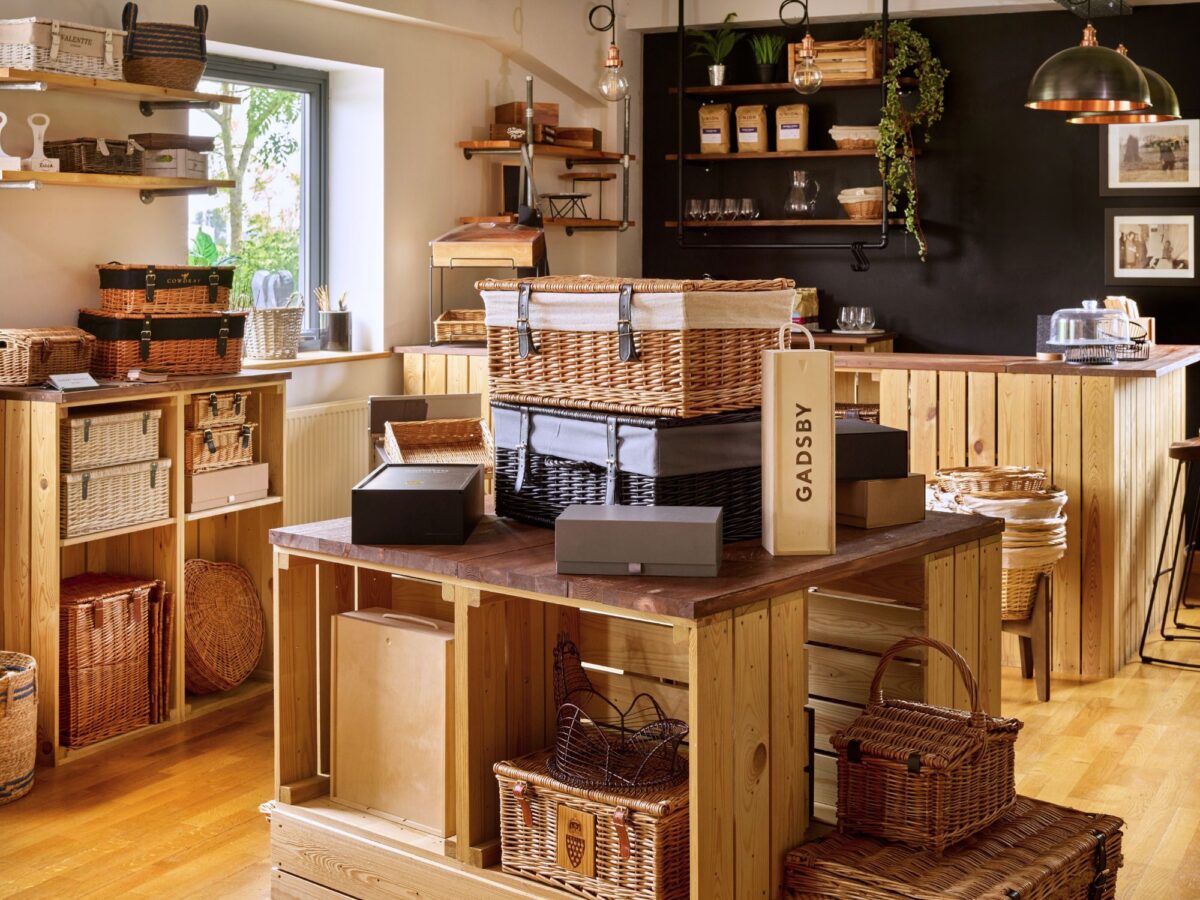
Understanding the Customer Decision Window
Most shoppers approach a display with a general intention rather than a fixed choice. For example, they may be looking for a birthday gift, a thank you present, or something suitable for a seasonal celebration. When presented with several options, the decision often comes down to which product feels like the ‘right’ choice in the moment.
Psychologically, these decisions rely heavily on quick visual processing. Customers subconsciously scan for cues that signal quality, value, or suitability. Because gift purchases are often seen as emotional rather than purely practical, presentation becomes particularly influential.
The final decision window is therefore less about comparing product specifications and more about perception. A gift that looks complete, polished, and thoughtfully presented is far more likely to be chosen over one that appears plain or unfinished, even if the products themselves are very similar.
Retailers who recognise this behaviour can shape the buying experience accordingly, ensuring that products communicate value instantly.
The Power of Visual Cues Before Purchase
Visual cues are often the first signals customers respond to during those crucial last seconds. Colours, finishes, and overall presentation all influence how attractive or appropriate a product appears.
Bright or seasonal colours can immediately catch the eye in busy retail environments. Metallic finishes, elegant typography, and balanced design layouts can convey a sense of quality or luxury. Even small elements, such as embossed logos or textured labels, can subtly signal craftsmanship and care.
Contrast also plays an important role. Products that stand out slightly from neighbouring items are more likely to draw attention. This does not necessarily mean louder designs; sometimes a cleaner, more minimal presentation can stand out just as effectively.
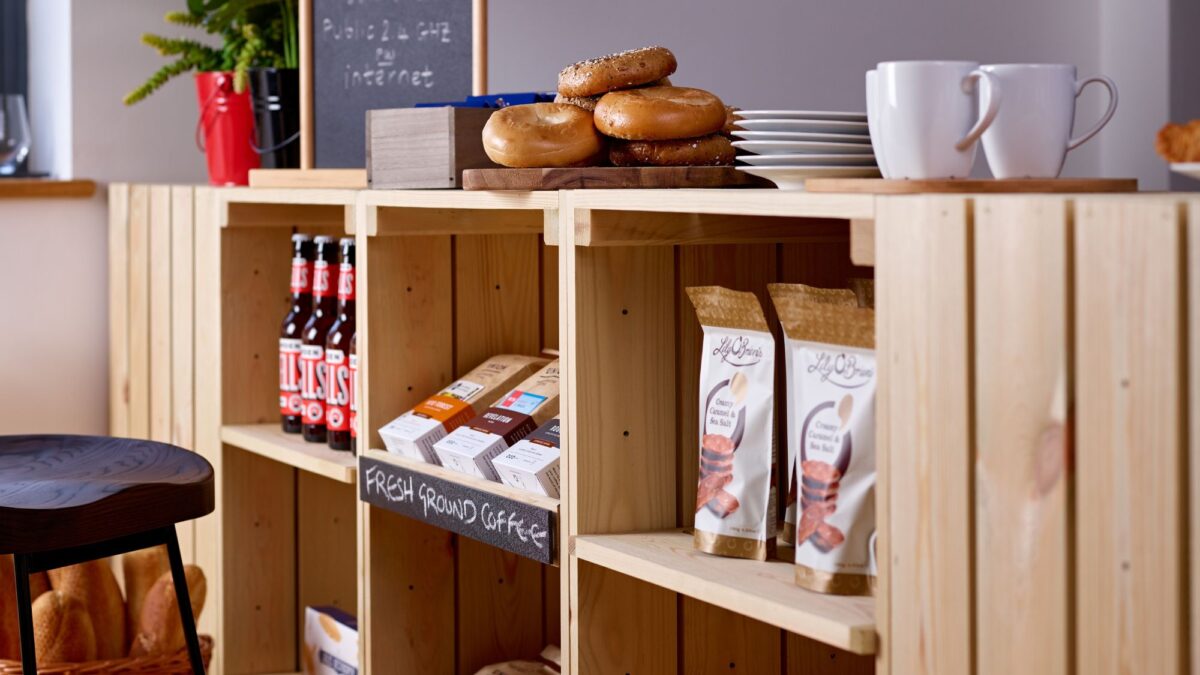
Lighting and display positioning can further amplify these cues. A product that is clearly visible, well-lit, and neatly presented naturally invites customers to consider it more closely.
Ultimately, these visual signals help customers make rapid judgements about a product’s quality and suitability as a gift.
Packaging Details That Win at the Shelf
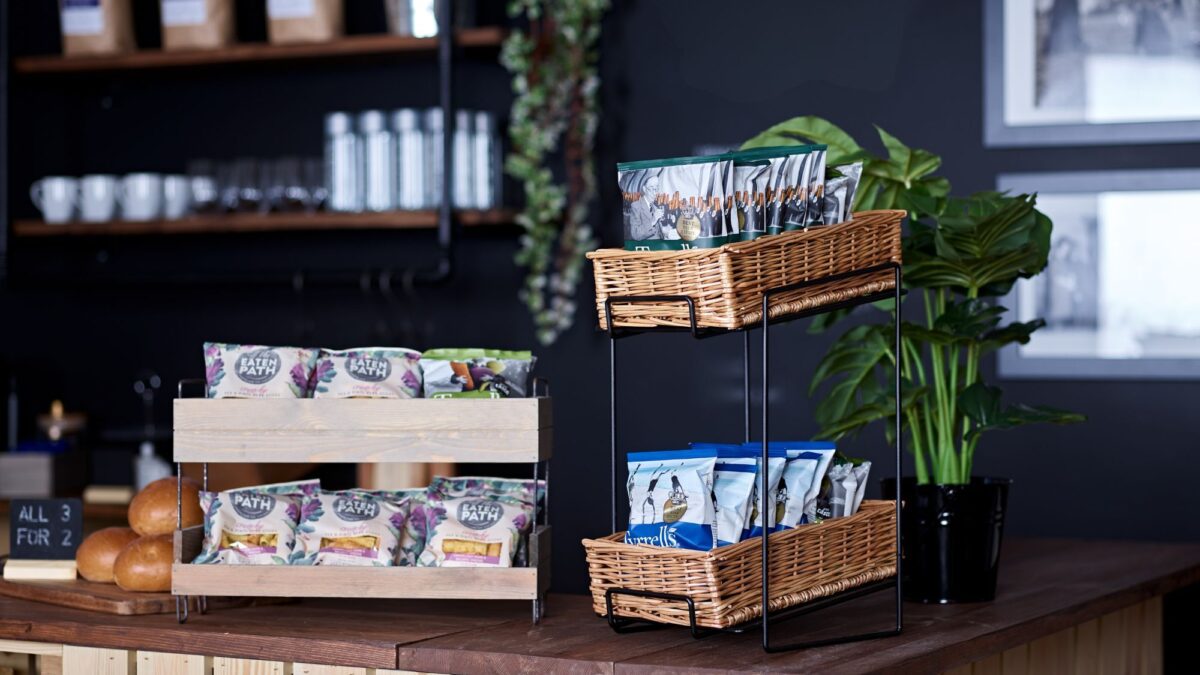
Packaging often acts as the deciding factor when multiple products compete for attention. In the context of gift retail, packaging does more than protect the item, it becomes part of the gift itself.
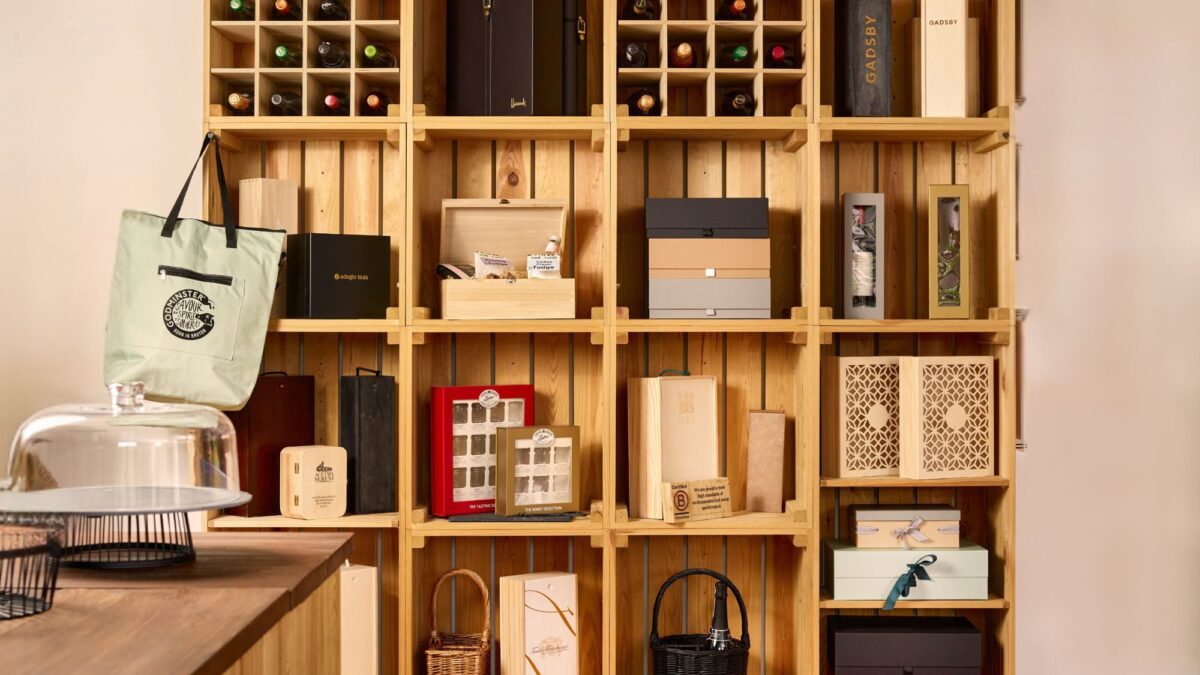
High-quality materials immediately communicate value. Rigid gift boxes, shredded paper, and sturdy packaging structures such as wicker and bamboo tend to feel more premium than simple plastic or lightweight alternatives. Customers frequently associate packaging quality with the quality of the product inside.
Functionality also matters. Packaging that looks easy to open (rip tabs, straps, magnetic lids etc), transport, or present to the recipient adds convenience and reassurance for the buyer. Reusable packaging such as decorative tins or sturdy boxes can add a layer of perceived value.
Design consistency is equally important. Packaging should align with the type of product and the audience it targets. For example, luxury items benefit from elegant, understated packaging, while playful or novelty gifts may benefit from brighter colours and more expressive designs.
Even small details can influence perception. The weight of a box, the finish of a label, or the style of typography can subtly reinforce the feeling that a product has been carefully designed and thoughtfully prepared.
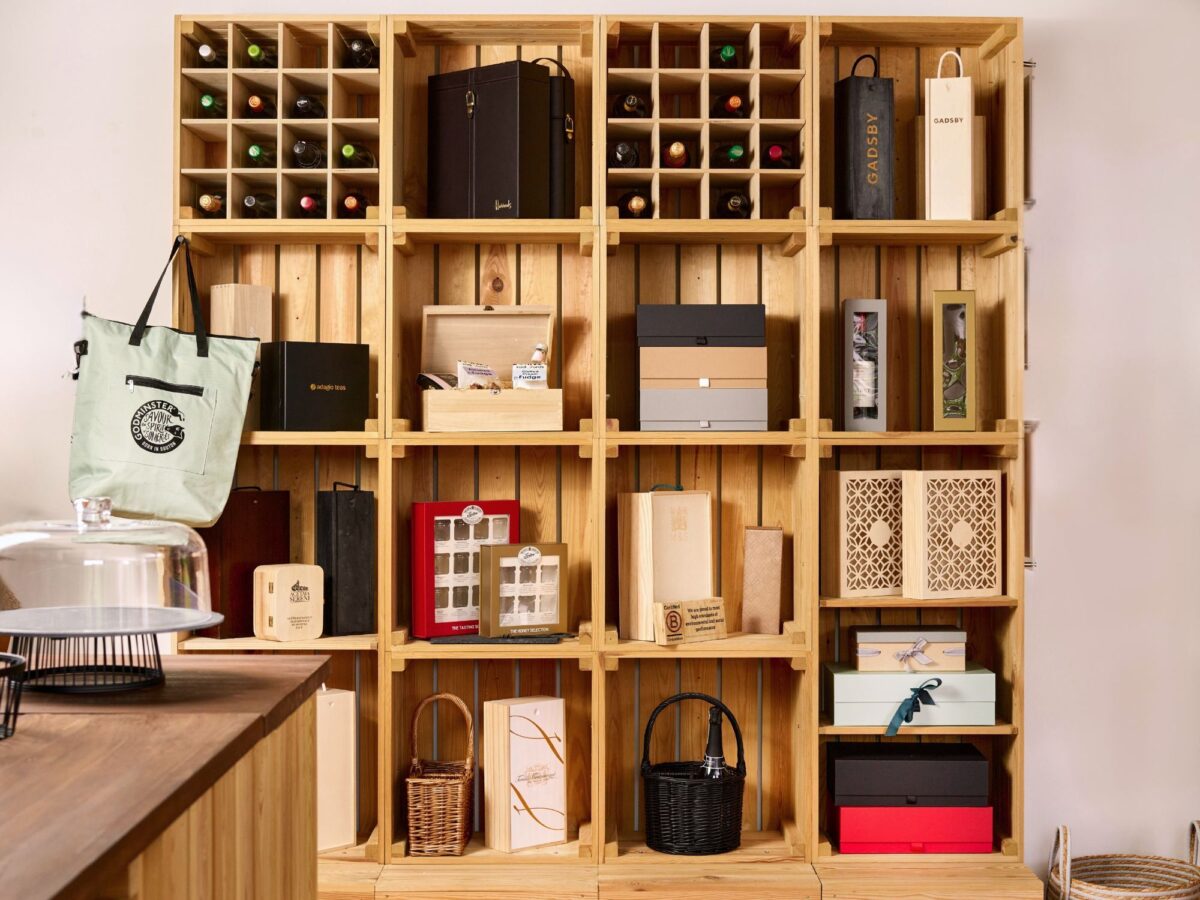
Why Ribbons, Baskets, and Finishing Touches Matter
When customers buy gifts, they are often thinking about presentation as much as the item itself. Decorative additions such as ribbons, bows, and gift baskets can make a product feel more complete and ready to give.
These finishing touches signal effort and thoughtfulness. A neatly tied ribbon or carefully arranged gift basket suggests that the product has already been prepared with care. For busy shoppers, this reduces the effort required to transform a purchase into a present.
Gift baskets and bundled sets also introduce another powerful psychological factor: perceived abundance. When several items are arranged together attractively, customers often feel they are getting more value for their purchase. The visual fullness of a basket or hamper can make a gift feel generous and substantial.
Importantly, these elements do not need to be extravagant. Simple, well-chosen decorations often work best. A clean ribbon, neatly arranged basket, or a subtle decorative tag can elevate the entire presentation without overwhelming the product itself.
Putting It All Together
Retailers who understand the “Last 10 Seconds” rule can make small impactful improvements to their displays and packaging strategies.
- First, ensure products have strong visual presence. Clear presentation, thoughtful colour choices, and quality finishes help capture attention immediately.
- Second, treat packaging as part of the product experience. High-quality materials, practical design, and consistent branding can significantly influence customer perception.
- Finally, use finishing touches strategically. Ribbons, bows, Baskets, and small decorative elements can transform an ordinary product into something that feels like a complete, ready-to-give gift. These adjustments may appear minor individually, but together they shape the moment when a customer decides which item to purchase.
Conclusion
The final seconds before purchase are often the most influential in the retail journey. When shoppers compare similar products, presentation and packaging frequently become the deciding factors.
Visual cues, well-designed packaging, and thoughtful finishing touches can all help a product stand out at the crucial moment of choice. For gift retailers in particular, these details create the impression of quality, care, and value that customers are looking for.
By focusing on these final cues, businesses can ensure their products not only attract attention but ultimately become the gift that customers choose.