




- <
- Blog /
Why We Use Paulownia
22 August 2023
At Gadsby, we have used Paulownia wood in our timber packaging and display products for many years.
Often referred to as the “phoenix tree” due to its ability to rapidly regenerate from its roots after harvesting, Paulownia is a fast-growing, lightweight hardwood that offers an excellent balance of sustainability, strength, and versatility. In this article, we explore what Paulownia wood is, how it grows, and why it has become such a valuable material in modern packaging and retail display manufacturing.
What is Paulownia?
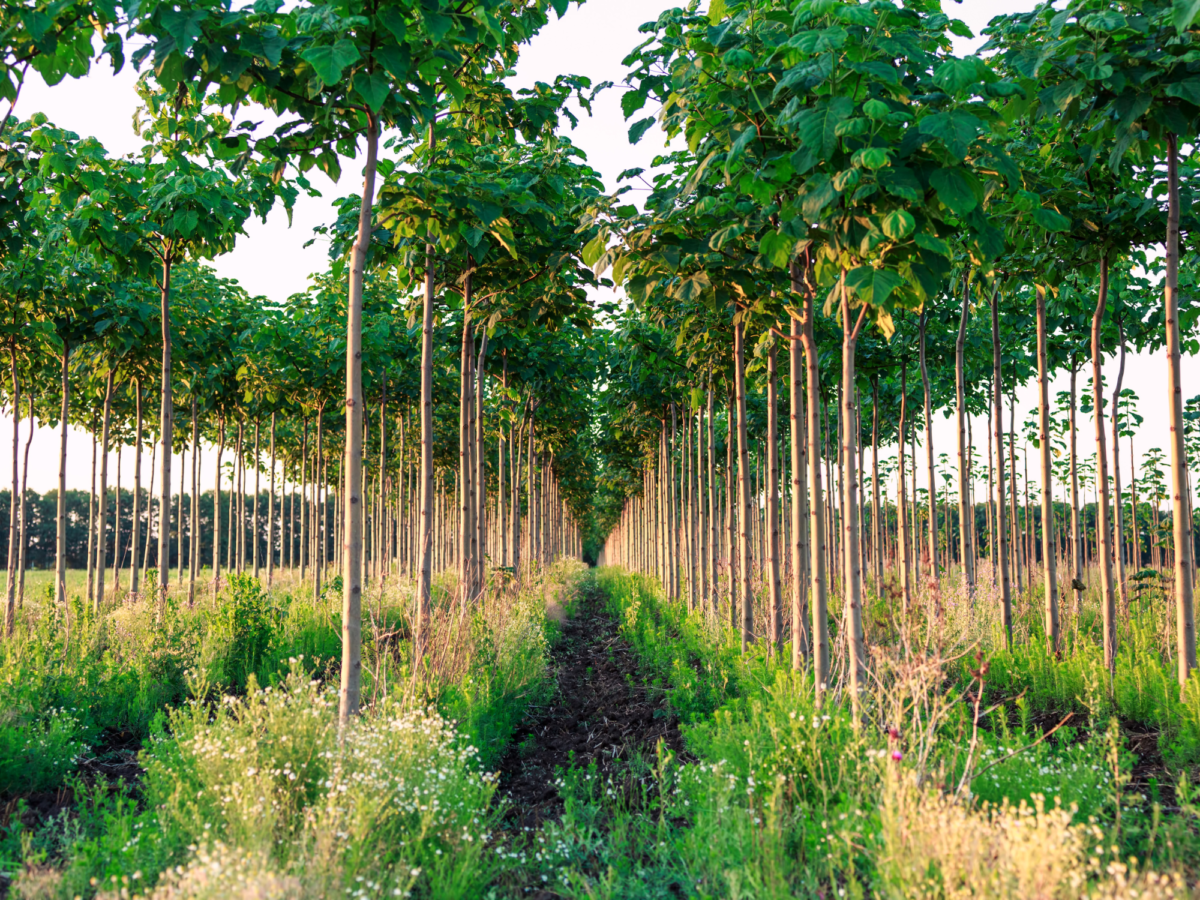
Paulownia is one of the fastest-growing trees in the world.
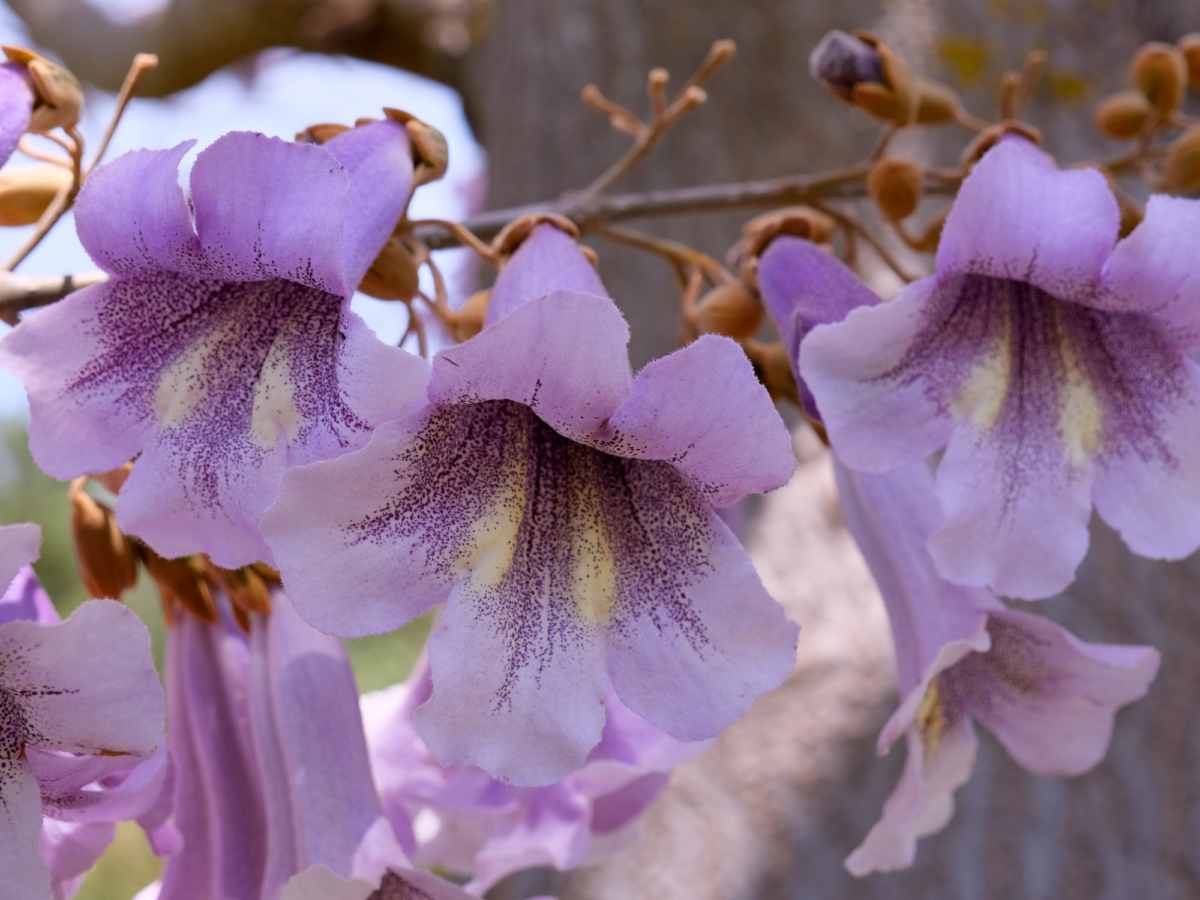
Native to China and Japan, it is also known as the “Empress tree” or “Princess tree”, named after Queen Anna Pavlovna of the Netherlands in the 19th century. It is easily recognisable by its large, heart-shaped leaves, which can grow up to 75cm in diameter, and its striking lilac-coloured blossoms that appear in spring. From a material perspective, Paulownia wood is exceptionally lightweight, it is one of the lightest hardwoods available, second only to balsa.
Despite its lightness, it offers impressive structural stability, making it suitable for a wide range of commercial applications.
Does Paulownia grow in UK?
While Paulownia originates from East Asia, certain varieties - particularly Paulownia tomentosa (commonly known as the foxglove tree) - can be grown in the UK.
It is a highly adaptable species that can tolerate poor soil conditions and is often capable of thriving in environments where other trees struggle. Interestingly, Paulownia is also known for its environmental benefits, including its ability to help regenerate degraded or polluted soils, making it an increasingly popular choice in sustainability-focused forestry initiatives.
Is Paulownia sustainable?
Paulownia is widely regarded as a highly sustainable timber source due to its rapid growth cycle and regenerative properties.
Unlike slower-growing hardwoods, Paulownia can be harvested within approximately 8–10 years, with new shoots naturally regenerating from the stump after cutting. This allows for repeated harvesting without the need for constant replanting.
Key sustainability advantages include:
- Rapid growth rate compared to traditional hardwoods
- Natural regeneration after harvesting
- Low maintenance requirements
- Efficient land use over time
These characteristics make it a strong alternative to more resource-intensive timber sources, particularly in packaging and manufacturing applications where sustainability is a priority.
What is Paulownia used for?
Because of its durability and insulating properties, Paulownia is widely used in the construction sector, however it has become increasingly popular within manufacturing. Any product that requires good quality, aesthetically beautiful timber, Paulownia is perfect for. It also has an attractive cool blond tone and takes well to staining and painting making it particularly versatile.
How we use Paulownia in our products
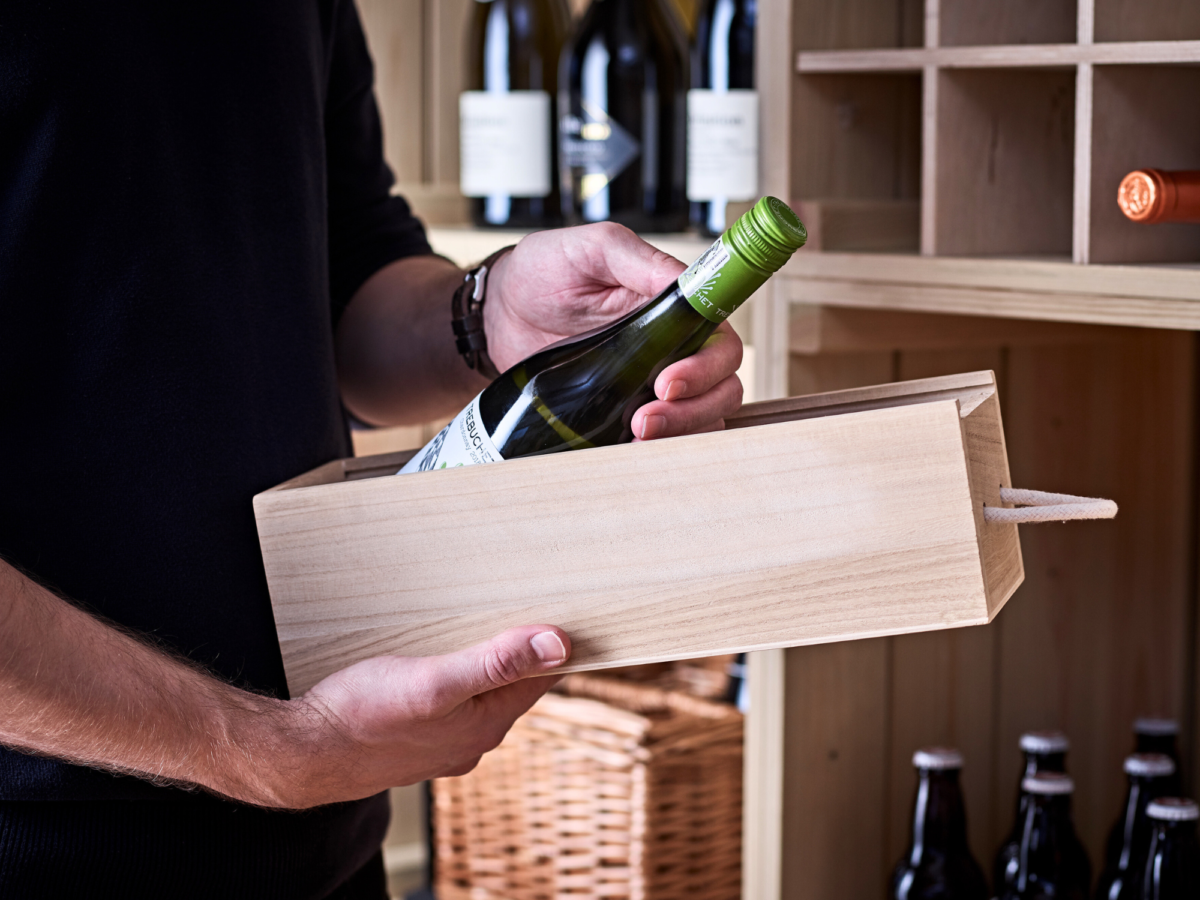
We use solid Paulownia wood across a range of gift packaging and retail display products.
These include:
Paulownia is particularly well suited to engraved and personalised packaging. Its smooth, consistent grain allows for clean, precise engraving with strong visual contrast, making it ideal for branding, logos, and bespoke designs.
Whether used for corporate gifting, retail presentation, or bespoke packaging projects, Paulownia provides a reliable and visually appealing timber base that enhances both product performance and presentation quality.
A versatile material for modern packaging
Paulownia continues to grow in popularity because it offers a rare combination of:
- Lightweight handling
- Structural strength
- Sustainable sourcing potential
- Excellent aesthetic finish
- High customisation capability
For businesses looking to balance sustainability with premium presentation, Paulownia remains one of the most effective timber choices available in packaging and retail display design.