

Gift Packaging Trends for 2026
As consumer expectations around sustainability, premium presentation, and experience-led gifting continue to rise, 2026 is set to be a pivotal year for brands looking to differentiate through curated gifts and thoughtful packaging. For wholesalers, corporate gifting specialists, hospitality providers, farm shops, and independent retailers, understanding the emerging trends is essential to remain competitive in a crowded market.
In this guide, we explore the key gifting and packaging trends for 2026, and explain how buyers can respond with durable, sustainable packaging solutions that boost product presentation and reinforce brand credibility.
1. Sustainability: The Default in Gift Packaging
By 2026, sustainability is no longer a bonus, it’s a baseline expectation. Trade buyers across retail, hospitality, and corporate sectors are increasingly seeking packaging that is genuinely responsible, reusable, and environmentally friendly.
Circular and Low-Impact Materials
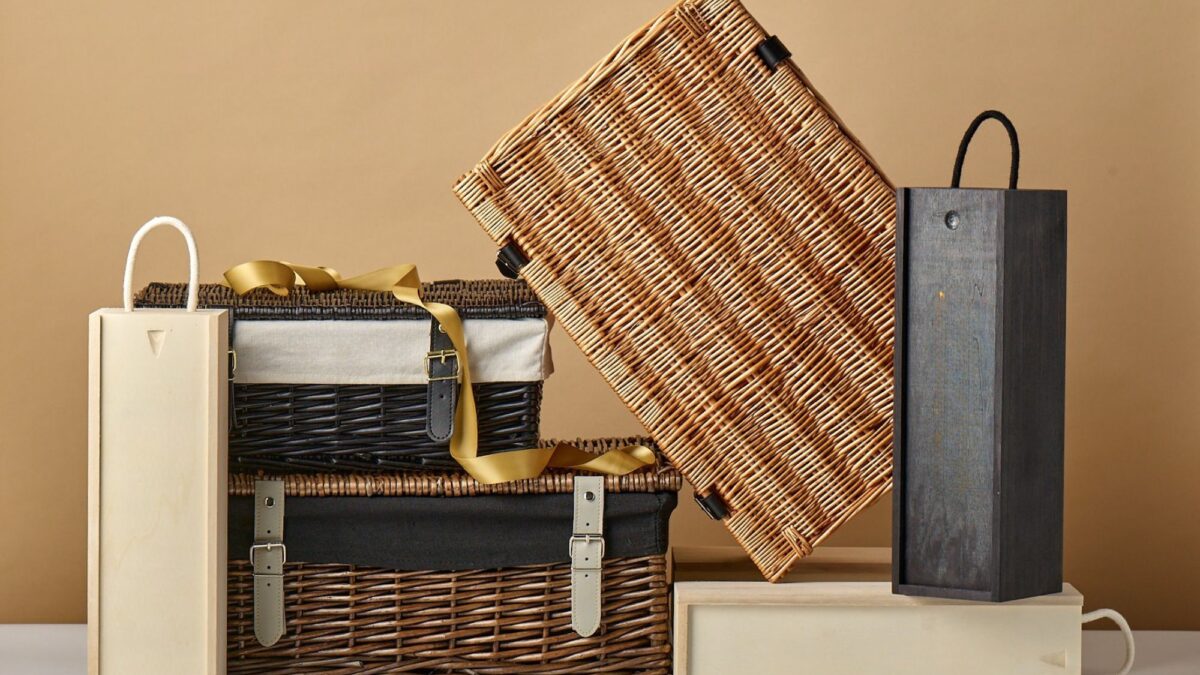
Modern buyers expect packaging that fits into a circular model. Materials should be renewable, reusable, and low-impact at the end of their lifecycle. For trade buyers, wicker hampers, wooden boxes, and recycled card gift boxes and trays offer a reliable solution: durable, premium, and completely reusable. These materials allow buyers to meet sustainability goals without compromising on presentation quality.
Visible Sustainability
Consumers are drawn to packaging that looks sustainable. Natural textures and finishes instantly communicate environmental responsibility. Popular options include:
- Unfinished or handwoven wicker
- Minimally treated or raw wooden boxes
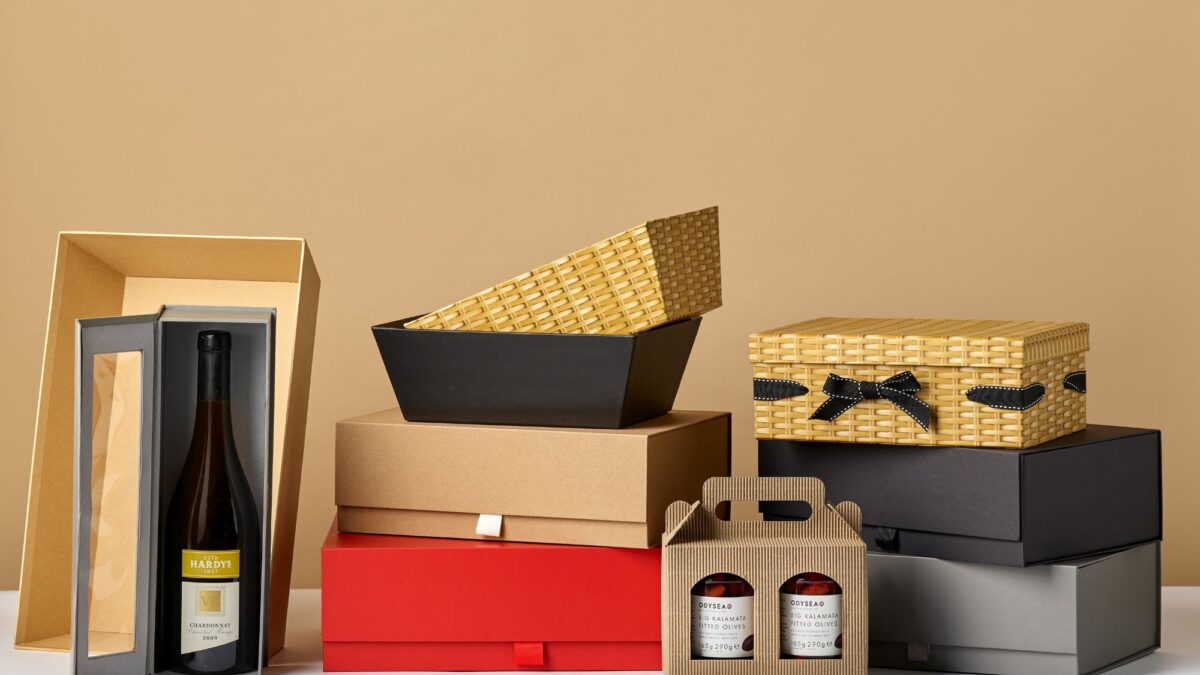
- Kraft and recycled card gift boxes and trays
This visual authenticity not only resonates with conscious consumers but also supports trade buyers’ branding and ESG commitments.
Reuse and Longevity
Packaging that can be repurposed or reused drives both environmental and commercial value. Examples include:
- Wicker baskets that double as storage at home
- Wooden boxes that serve as display or décor items
- Sturdy recycled card trays reused as organisers
Trade buyers can market these gifts as sustainable, premium, and functional, increasing perceived value and reducing waste.
Corporate Responsibility and Compliance
With tightening regulations on plastics and non-recyclable materials, businesses are seeking packaging that simplifies compliance. Single-material solutions, like wicker, wood, and recycled card, reduce ESG reporting complexity while helping trade customers demonstrate responsibility.
2. Curated, Understated Luxury
The premium gifting market in 2026 is shifting from ostentation to refined, curated presentation. The focus is on quality materials, thoughtful composition, and minimalistic design rather than flashy finishes or oversized packaging.
Materials and Aesthetics
Natural textures and neutral, calming colour palettes are now synonymous with luxury. Trade buyers increasingly choose:
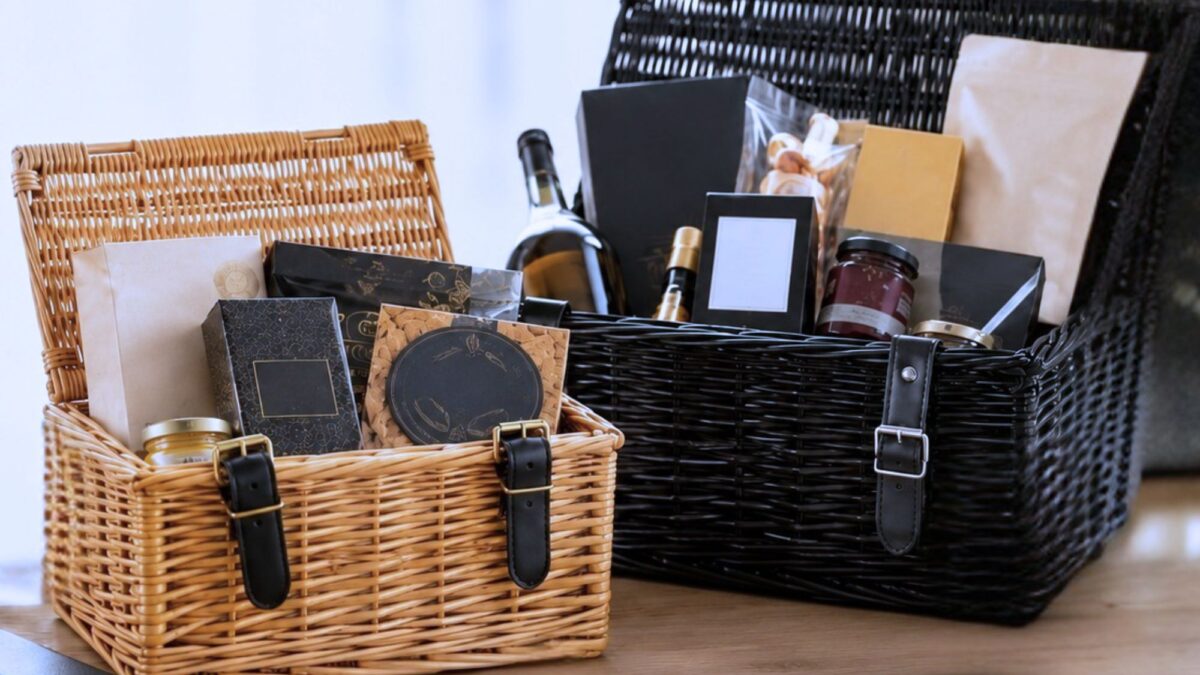
- Wicker hampers for timeless appeal
- Wooden bottle boxes for a rustic feel
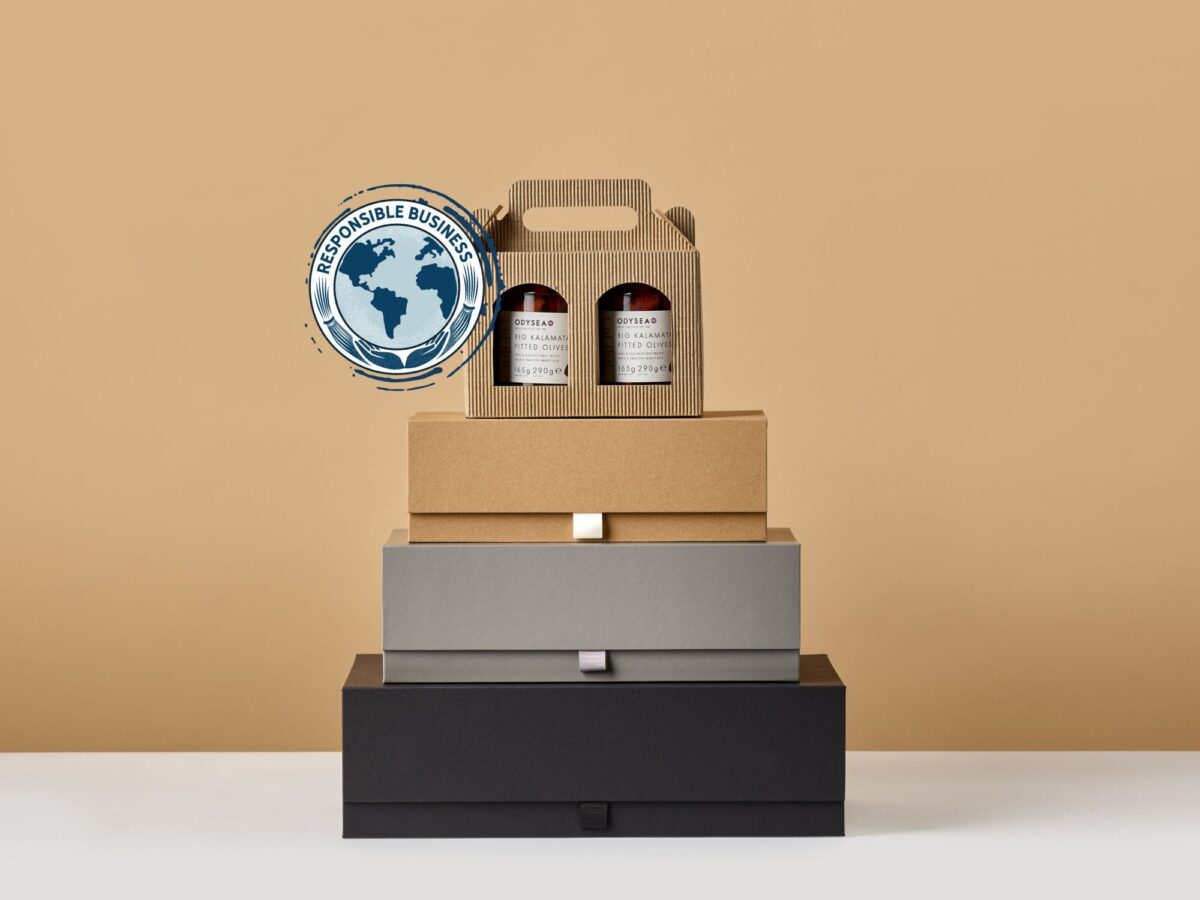
- Recycled card gift boxes and trays with tactile finishes
These materials really make the gifting experience special and work across a wide range of products, from wellness sets to gourmet food hampers.
Thoughtful Layout and Composition
Luxury presentation isn’t about volume, it’s about careful curation. Trade buyers are investing in packaging with:
- Clean, spacious internal layouts
- Purpose-built dividers and compartments
- Well-arranged product placement that avoids overcrowding
- Sturdy lids and simple closures that feel premium
Even modest contents appear high-end when paired with refined, natural packaging.
Sustainability Meets Premium
Luxury and sustainability now go hand-in-hand. Packaging should feel special while avoiding unnecessary filler or non-recyclable materials. Wicker hamper baskets and wooden boxes achieve high visual impact with minimal decoration, are reusable, and convey quality to the recipient.
Subtle Branding Opportunities
Minimalistic packaging allows trade buyers to implement elegant branding without overwhelming the product. Options include:
- Laser engraving on wooden boxes
- Simple branded ribbons
- Stencilled hamper lids
This approach maintains a versatile, premium feel suitable for seasonal retail, corporate gifting, and year-round campaigns.
3. The Power of the Unboxing Experience
The unboxing experience remains one of the most influential factors in consumer perception. With the growth of online shopping and direct-to-recipient gifting, the way a gift arrives is just as important as the product inside.
Impact Without Excess
2026 gifting prioritises thoughtful presentation without waste. Trade buyers are seeking packaging that feels premium while remaining environmentally responsible:
- Inserts and dividers that reduce or eliminate plastics
- Packaging that looks considered before opening
- Natural materials like wicker, wood, and recycled card for an authentic feel
Premium Touchpoints
Small tactile elements enhance perceived value and encourage reuse:
- Lift-off or magnetic lids on gift boxes
- Integrated handles or straps on hampers
- Rigid bases and smooth-opening lids on wooden boxes
- Coordinated inner trays for organised presentation
Customisation and Modularity
Trade buyers are offering flexible “build your own” gifting formats. Modular boxes and trays allow gifts to be scaled across product lines or client orders, reducing stock complexity and supporting tailored corporate or retail solutions.
Marketing and Social Media
Packaging that photographs well strengthens branding and marketing. Wicker and wooden materials naturally convey craftsmanship and authenticity, making unboxing a key touchpoint in a brand’s story.
4. Corporate and Hospitality Gifting Growth
Corporate gifting continues to expand, driven by employee recognition, client retention, hybrid working models, and hospitality events.
Key Drivers
- Rewarding staff and promoting wellbeing
- Strengthening client relationships and loyalty
- Delivering flexible gifts to remote or hybrid teams
- Enhancing guest experiences at conferences and hotel events
Packaging Priorities
Corporate buyers require professional, adaptable packaging:
- Consistent, scalable SKUs for bulk orders
- Subtle branding options like laser engraving, stencilling, or fabric printing
- Sustainable materials aligned with corporate ESG objectives
- Premium presentation that reinforces company values
Opportunities for Trade Buyers
Providing packaging that meets these needs allows trade customers to:
- Upsell premium gift options
- Deliver reusable, sustainable solutions
- Enhance their own reputation for quality and environmental responsibility
5. Gifting Themes Shaping Packaging Choices
Retailers and corporate buyers increasingly curate gift ranges around specific themes, which influence both product selection and packaging design.
Wellness and Mindful Living
Self-care and relaxation gifts remain popular. Neutral, natural materials like wicker hampers or recycled card trays complement this theme, reinforcing a sense of calm, sustainability, and quality.
Home and Lifestyle
Durable, modular packaging (wooden boxes, sturdy trays) suits homeware and lifestyle items, accommodating heavier or irregularly shaped products. Clean, neutral finishes maintain a premium feel.
Premium Food and Drink
Seasonal hampers, artisan treats, and curated wine or spirits benefit from wicker hampers and wooden bottle boxes. Recycled card boxes offer cost-effective alternatives for larger-scale orders, maintaining a responsible, premium aesthetic.
Eco-Conscious Gifting
Sustainable materials with minimal embellishment highlight environmental responsibility, appeal to conscious consumers, and allow packaging to be reused. Wicker, wood, and recycled card convey quality while reducing waste.
Conclusion
2026 gifting trends are defined by sustainability, understated luxury, and experience-led presentation. For trade buyers, choosing packaging that is durable, reusable, versatile, and environmentally responsible is essential to meet evolving consumer expectations.
By aligning product ranges with these trends, wholesalers, retailers, and corporate suppliers can enhance the gifting experience, strengthen brand perception, and remain competitive in the premium gifting market.