


Why some hampers don’t sell (even when the products are great)
Even the best products can fail to sell if the hamper as a whole doesn’t resonate with customers. Many businesses focus solely on product selection, assuming that a premium product automatically guarantees sales. The reality is that subtle factors (packaging, presentation, pricing, and emotional appeal) often determine whether the hampers fly off the shelf or sits there gathering dust.
In this guide, we explore why some hampers fail, even with excellent products, and share practical strategies to improve sell-through rates.
Misaligned target audience
The first hurdle many hamper makers face is misunderstanding who their customer really is. Are you selling to corporate clients looking for premium gifts? Or to consumers purchasing for friends and family? Perhaps your targeting seasonal shoppers seeking affordable indulgence. Each audience interprets value differently, and mismatched hampers often fail because they don’t speak to the intended buyer.
For example, a £150 luxury hamper may appear excessive in a store catering mainly to £50-£70 buyers. On the other hand, a budget-friendly hamper may seem cheap to corporate buyers, even if the contents are high-quality.
Get to know your audience. Develop buyer personas and, if possible, test a small batch before producing at scale. This ensures your hampers feel relevant and desirable from the moment customers see them.
Packaging that undermines perceived value
Even when products are strong, packaging can make or break the sale. Cheap-looking baskets, flimsy boxes, mismatched shredded paper, or overstuffed hampers can subconsciously signal ‘low quality’ to buyers. On the other hand, underfilled hampers can feel stingy, leaving customers unconvinced about the value.
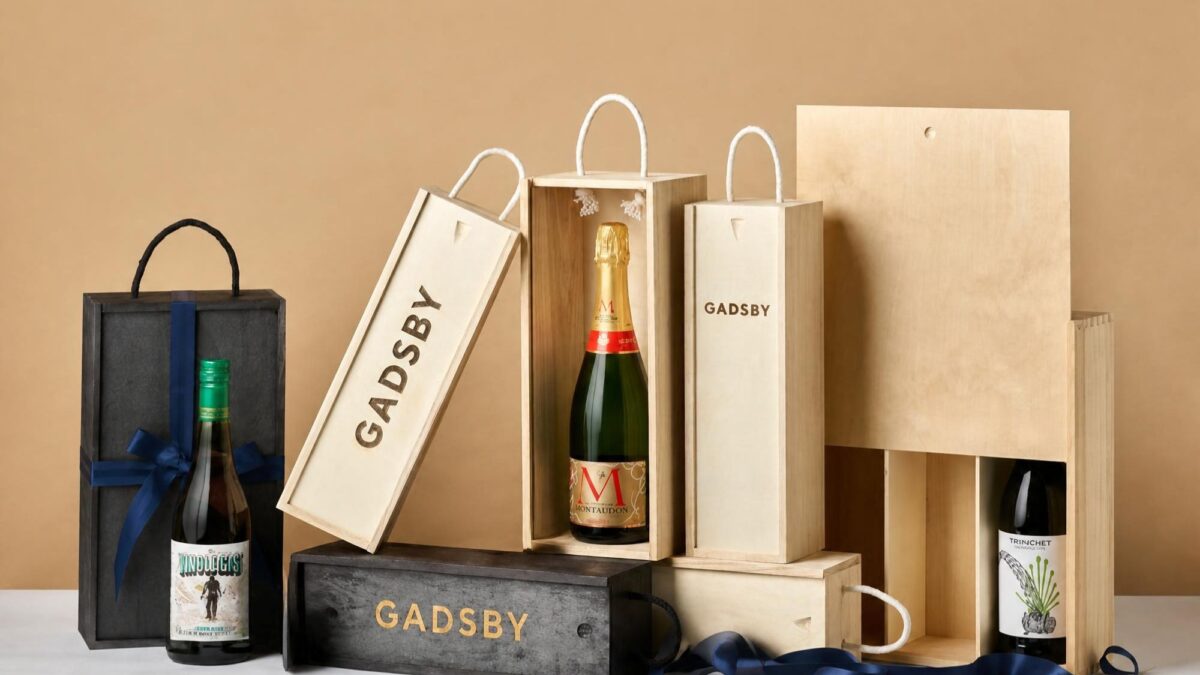
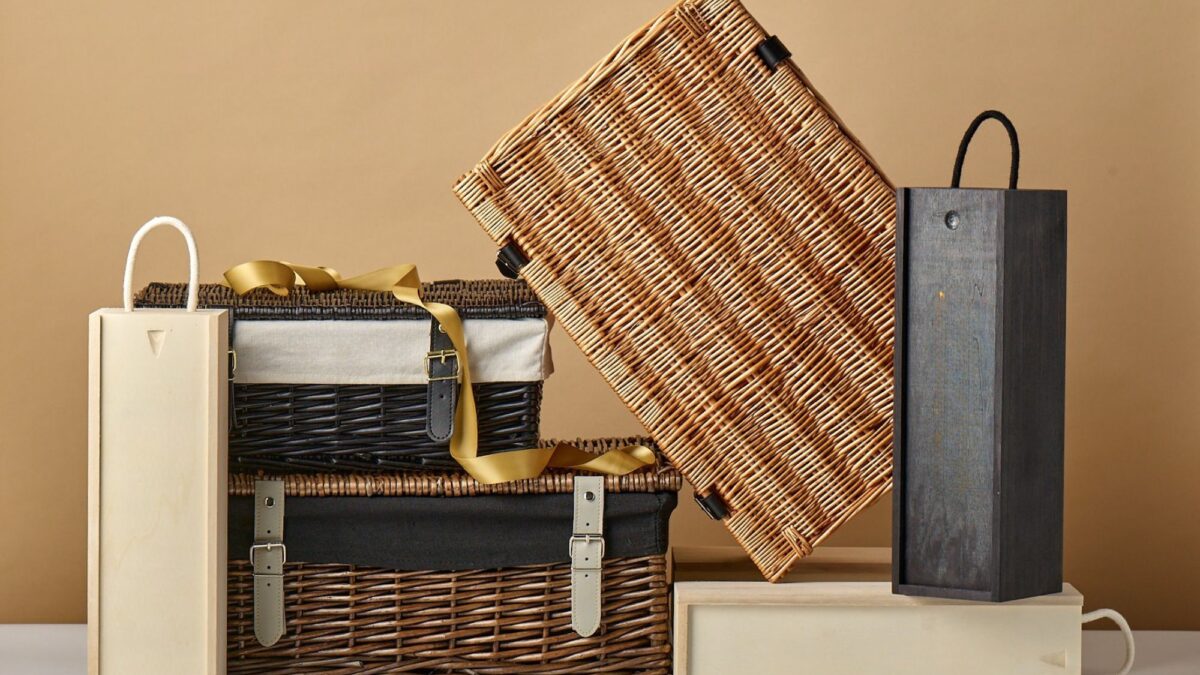
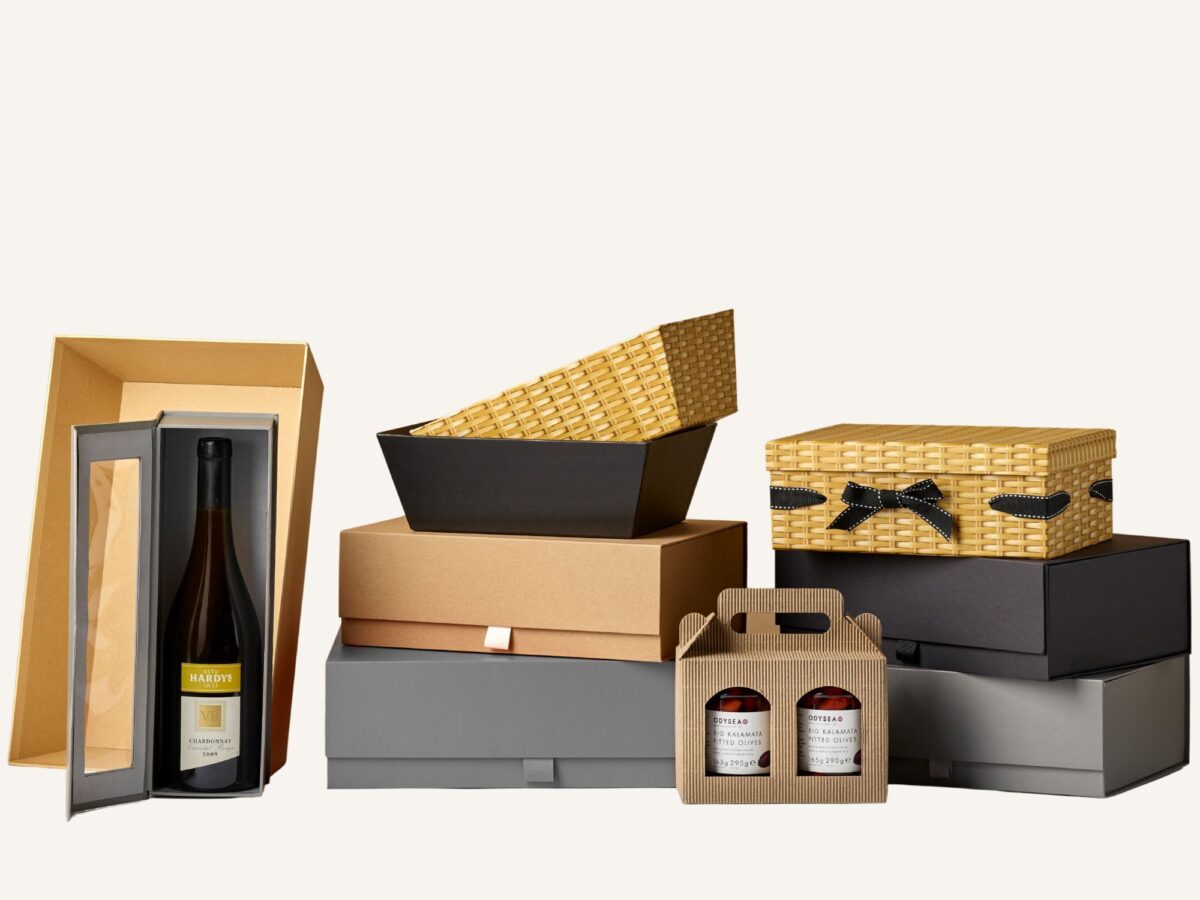
Colour, texture, and materials matter more than you might realise. A wooden crate or wicker hamper basket can convey premium craftsmanship, a neutral card gift box suggests sustainability and thoughtfulness, while mismatched ribbons, shredded paper or tissue paper can dilute the overall impression.
A quick win would be to invest in quality containers and packaging elements that match your intended price point and brand identity. Sometimes a simple swap of a basket or box can dramatically improve the perceived value.
Poor product harmony
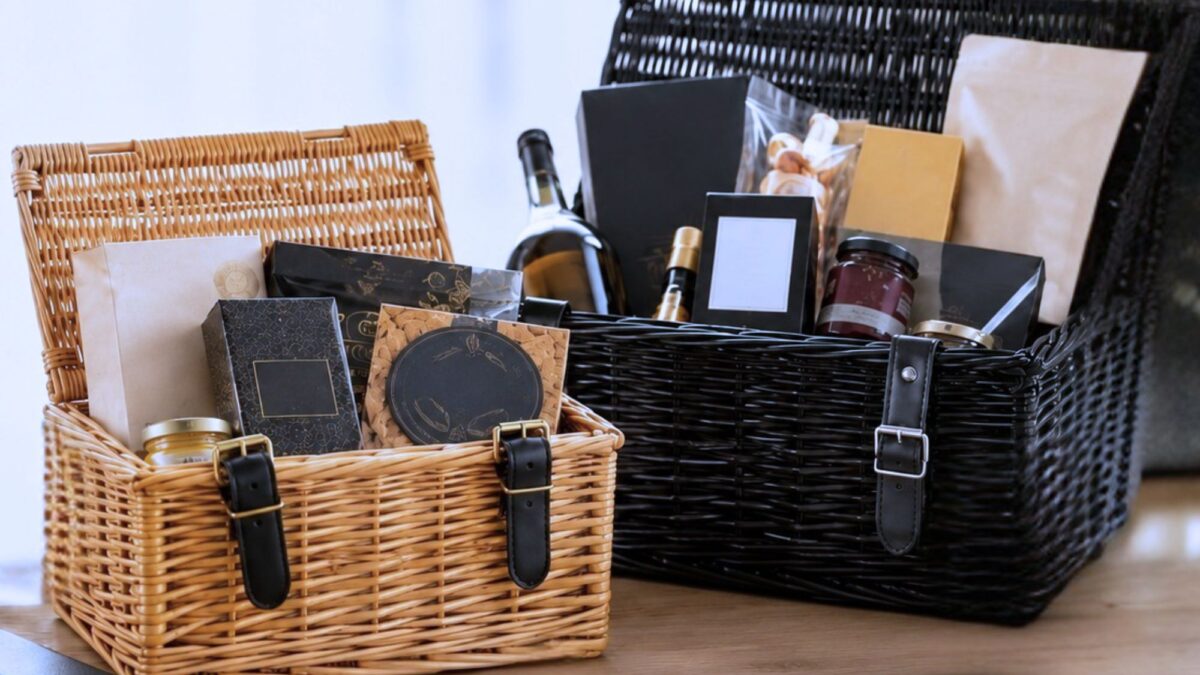
A common mistake is filling hampers with a random assortment of items rather than a cohesive selection. Customers are drawn to themed or curated sets that feel intentional - a mismatched hamper often appears cluttered or thoughtless.
Consider the ‘start product’ approach: highlight one hero item, then complement it with supporting products that reinforce the theme. For example, a gourmet chocolate hamper might include artisanal cookies and a small bottle of dessert wine - not generic snacks that clash with the premium positioning.
The goal is curation over quantity. Each item should contribute to a clear narrative or experience, otherwise the hamper loses focus and appeal.
Pricing and perceived value mismatch
Pricing is another invisible factor that determines whether hampers sell. Customers frequently make mental calculations before even reading the label. If a hamper appears overvalued for its packaging or product mix, it can stall sales. On the other hand, under pricing can make the hamper feel cheap, even if the contents are high-quality.
Best practice would be to use tiered pricing with ‘good-better-best’ options. This allows customers to choose based on perceived value maximising sales potential across different budgets.
Pay attention to competitor pricing, but also consider the visual cues of your packaging, perception is often more influential than exact numbers.
Lack of emotional or occasion-based appeal
Many hampers fail because they feel generic. A hamper designed for ‘any occasion’ often struggles to connect with buyers. Customers are looking for gifts that solve a problem or evoke emotion, whether that’s a corporate ‘thank you’, a Christmas indulgence, or a local artisan experience.
You can enhance the emotional appeal with sensory cues: the colour of the ribbon (and adding branding to the ribbon), the texture of packaging materials (wood, wicker, card, slate), or even subtle scents. Thoughtful inserts like a branded card or a small message tag can tell a story, positioning the hamper as more than just a collection of products. Emotion drives purchases, especially in gifting, so neglecting this aspect can be costly.
Final touches and display strategy
Finally, how hampers are presented can make a significant difference in sell-through rates. Placement, lighting, and signage all influence customer perception. A beautifully curated hamper on a low-traffic shelf may go unnoticed, while a simple adjustment in display height or position can dramatically increase interest.
Cross-merchandising with complementary products or seasonal props can create context and encourage upselling. Always view your hampers through a ‘customer lens’: step back, ask what impression they make from a distance, and change accordingly.
Conclusion
Creating a hamper is about more than selecting premium products. As we’ve gone through in this guide, misaligned audiences, poor packaging, inconsistent product harmony, pricing mismatches, lack of emotional appeal, and ineffective display strategies are all often overlooked factors that can quietly limit sales.
By auditing existing hampers against these factors and making deliberate adjustments, businesses can increase sell-through, enhance customer satisfaction, and ultimately drive repeat orders. Thoughtful packaging and presentation don’t just elevate a product, the take you brand to the next level.