


- <
- Blog /
Retail Trends for 2026: Your Essential Checklist
5 January 2026
As we move toward 2026, retail continues to evolve rapidly. Customers are more informed, more selective, and more intentional with their spending than ever before. Every touchpoint - from merchandising and packaging to fulfilment and in-store experience - now plays a direct role in shaping brand perception and purchase decisions.
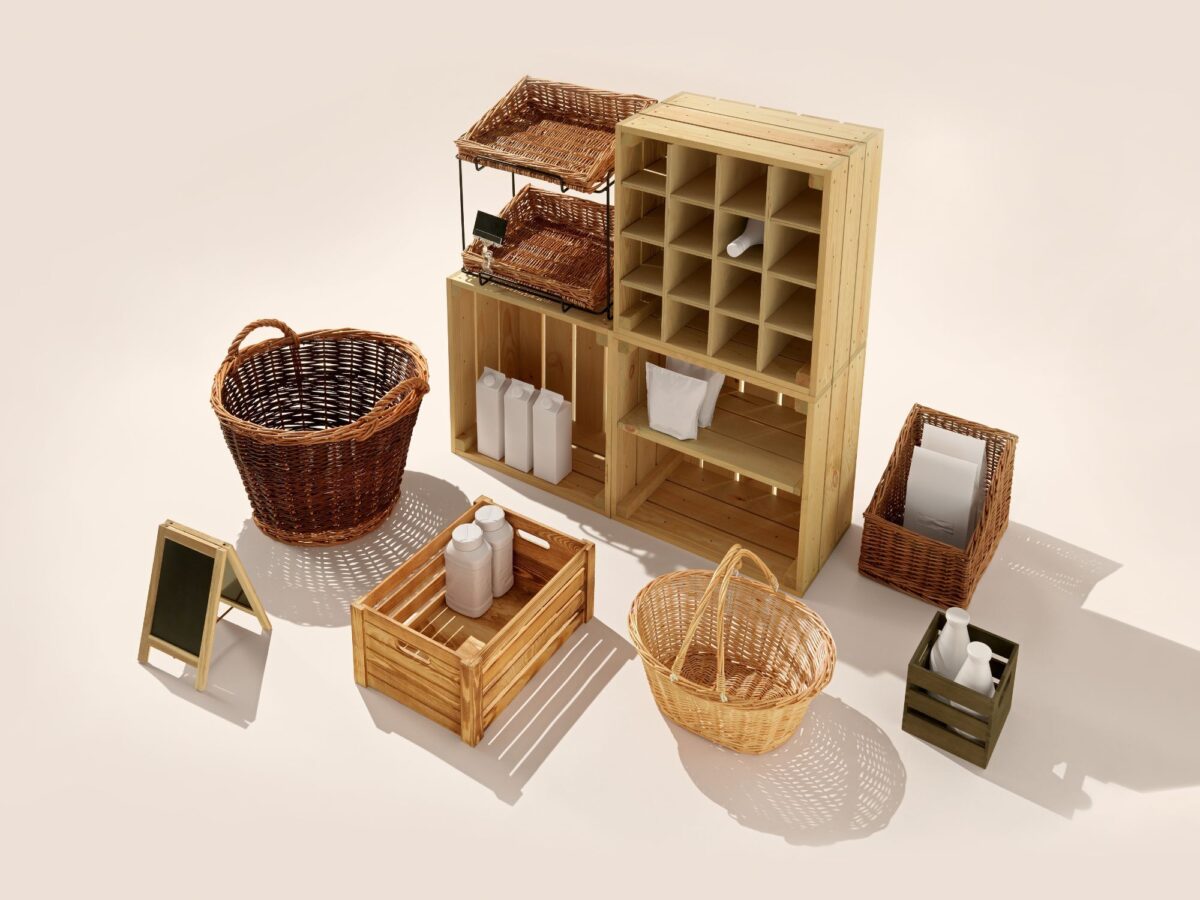
For customer-facing businesses, this shift means merchandising, packaging, and sustainability are no longer secondary considerations. They are central to delivering a consistent and competitive retail experience.
We work closely with retailers and brands to help them respond to these changing expectations through practical, commercially focused solutions across packaging and merchandising. This blog post explores the key retail trends for 2026 and provides a practical checklist to help future-proof your strategy.
Merchandising: making every display work harder
In 2026, effective retail merchandising is about precision, not volume. The focus is shifting from filling space to creating purposeful, easy-to-navigate product stories that help customers make faster, more confident decisions.
- Strong retail merchandising strategies now prioritise:
- Clear product grouping and navigation
- Reduced friction at the point of choice
- Seasonal storytelling and visual hierarchy
- Flexible, modular display systems
Shoppers are spending less time browsing and more time making considered decisions. This makes clarity, organisation, and relevance essential. Gift packaging also plays an increasingly important role in merchandising. It adds perceived value, supports impulse purchasing, and helps create moments of occasion within both retail and gifting environments.
Retailers that succeed in 2026 will treat merchandising as a dynamic system - one that can be quickly updated, refreshed, and adapted without disrupting the wider customer experience.
Eco-packaging: from expectation to standard
Sustainability has moved firmly into the “must-have” category.
In 2026, customers expect sustainable packaging to be credible, transparent, and measurable, not just a marketing message. Packaging choices now directly influence trust, brand reputation, and purchasing decisions.
Key expectations include:
- Recyclable or reusable materials
- Reduced material waste
- Transparent sourcing and certification
- Clear end-of-life disposal instructions
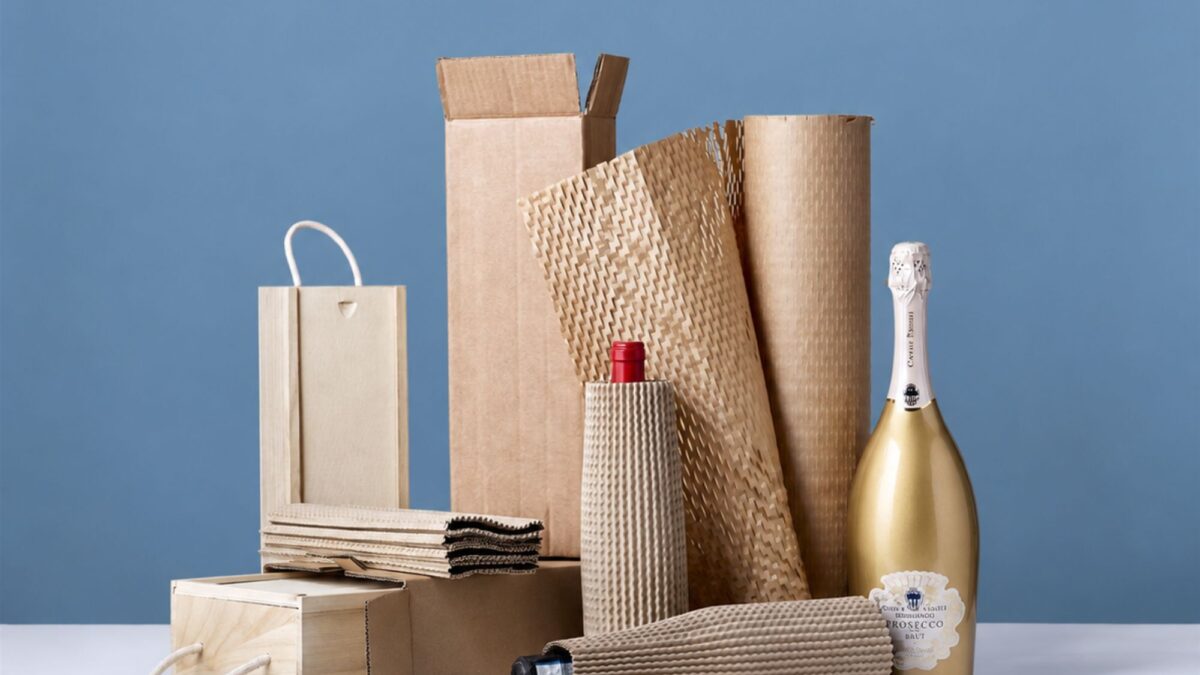
Eco-packaging is no longer just about environmental responsibility; it is also about improving customer experience. Well-designed packaging enhances unboxing, reinforces brand values, and strengthens emotional connection with the product.
Businesses that fail to demonstrate real sustainability risk falling behind, as shoppers increasingly favour brands that align with their values.
Shoppers: more informed, more selective
Today’s shoppers are highly informed and behaviourally complex. They don’t just buy products - they research, compare, validate, and then decide.
Key influences shaping purchase behaviour include:
- Online reviews and ratings
- Social proof and peer recommendations
- Influencer and creator content
- Brand consistency across channels
- Convenience and fulfilment options
This means retailers must deliver a seamless experience across every touchpoint, from digital discovery through to in-store engagement and post-purchase interaction. In physical retail environments, clarity is critical. Clear signage, intuitive layouts, and well-structured displays reduce cognitive load and help customers make faster decisions.
Convenience also remains a major driver of loyalty. Options such as click & collect, fast delivery, and simple returns are now baseline expectations rather than competitive advantages.
Measure & optimise: turning insight into action
In 2026, successful retail strategies will be driven by data, not assumptions.
Retailers need to actively measure the performance of merchandising, packaging, and customer experience initiatives to understand what is working and where improvements are needed.
Key areas to track include:
- Product performance across different display formats
- Conversion rates linked to merchandising changes
- Packaging impact on customer satisfaction and repeat purchase
- Waste reduction and material efficiency
Using insights in this way allows businesses to continuously refine their approach, reduce inefficiencies, and improve both commercial outcomes and customer experience.
Your 2026 retail checklist
To stay ahead of evolving expectations, retailers should assess the following areas:
- Assortment & merchandising: Are your product ranges clearly structured, relevant, and easy to navigate?
- Sustainability: Can your environmental claims be supported with clear, credible evidence?
- Channel consistency: Is your messaging, pricing, and presentation aligned across all touchpoints?
- Customer convenience: Are fulfilment and return options simple, fast, and friction-free?
- Flexibility: Can your displays and packaging be adapted quickly for seasonal or trend changes?
- Performance tracking: Are decisions backed by data, insights, and measurable outcomes?