

- <
- Blog /
Why Wicker Is Still Popular
13 May 2024
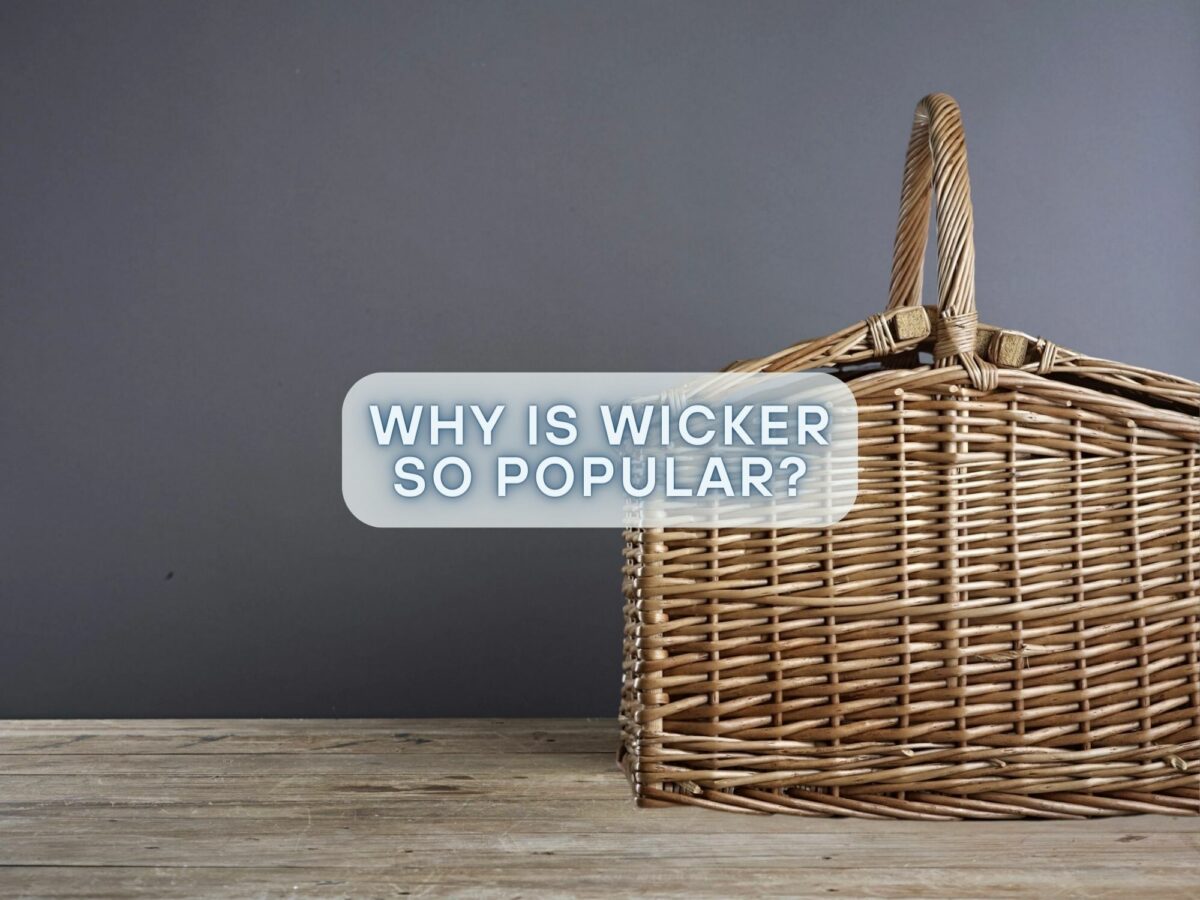
Wicker has long been regarded as one of the most timeless materials used in gifting, retail packaging, and homeware.
Its popularity grew significantly during the Victorian era, when natural woven materials became widely used for storage and household goods. Since then, wicker has remained a consistent favourite - valued for its natural appearance, sustainability, and versatility.
Wicker has been central to our history since the early days of our business in London, founded by William Gadsby. Today, we continue to supply high-quality wicker products to businesses across retail, gifting, and hospitality sectors.
The versatility of wicker
One of the key reasons wicker remains so widely used is its versatility.
Wicker can be woven into a broad range of functional and decorative products, including:
Its natural structure allows it to be adapted across multiple industries, making it suitable for both practical use and visual merchandising. Whether used in retail displays or as part of a premium gifting range, wicker continues to offer a balance of function and aesthetic appeal.
Sustainability of wicker and willow
Wicker is commonly made from willow, a fast-growing and renewable natural resource. This makes it one of the more sustainable materials used in retail packaging and gifting.
There are several key sustainability advantages:
Renewable resource
Willow grows quickly and can regenerate from cuttings or coppiced stumps. When harvested responsibly, the plant continues to produce new shoots, allowing for ongoing production without replanting.
Low environmental impact
Careful cultivation and harvesting methods help reduce environmental strain, ensuring a consistent supply of material without depleting natural resources.
Fully usable natural material
Willow is biodegradable and can be repurposed across multiple applications. Its versatility helps minimise waste and supports a circular approach to material use.
These factors make wicker a strong option for businesses looking to adopt more sustainable retail packaging solutions.
Durability & reusability
Wicker products are not only visually appealing but also highly durable. Handcrafted wicker hampers and baskets are designed for long-term use, making them a valuable addition to both retail and gifting ranges.
For end customers, this means:
- Reusable storage solutions
- Long-lasting home accessories
- Continued functional use after gifting
This reusability significantly increases perceived value, as customers are not simply purchasing packaging - they are receiving a product that can be used again and again. With appropriate care, wicker baskets can last for years, retaining both their structure and aesthetic appeal.
At the end of their lifecycle, wicker products can be responsibly recycled, further supporting sustainable disposal practices.
The aesthetic appeal of wicker
Beyond practicality, wicker is widely loved for its natural aesthetic.
Its woven texture and warm tones create a sense of authenticity that works across a wide range of environments.
Wicker is particularly effective in:
- Rustic retail interiors
- Farm shops and delis
- Gift packaging and hampers
- Contemporary lifestyle stores
- Hospitality and café settings
It helps soften modern interiors while adding texture and depth to more traditional spaces.
This versatility makes wicker a strong visual merchandising tool, as well as a functional packaging solution.
Why wicker remains relevant today
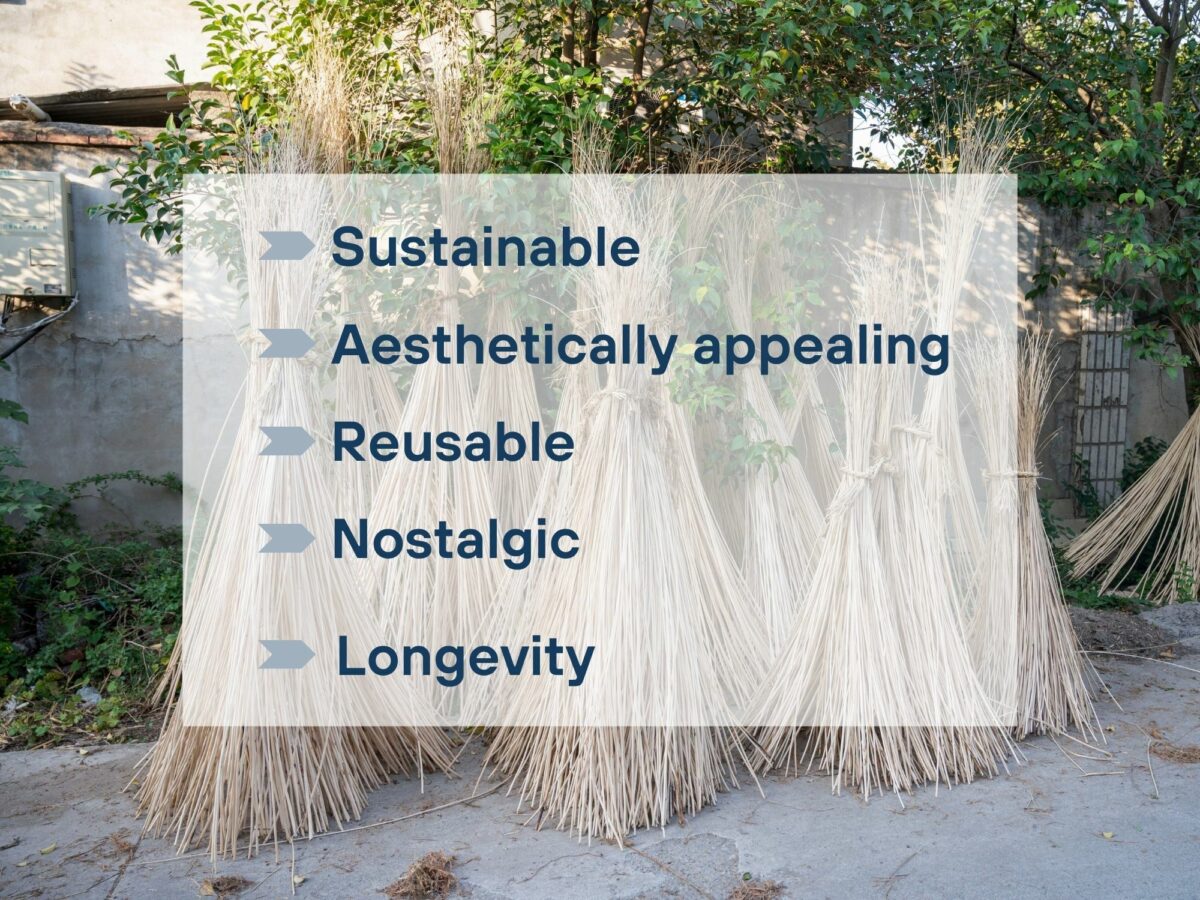
Wicker continues to be popular because it successfully combines four key attributes:
- Sustainability
- Durability
- Reusability
- Timeless aesthetic appeal
These qualities ensure it remains relevant in both retail and gifting markets, even as materials and design trends evolve. For businesses, wicker offers a reliable way to create packaging and displays that feel natural, premium, and long-lasting. At Gadsby, we continue to see strong demand for wicker products across multiple sectors, reinforcing its position as a foundational material in sustainable packaging and retail presentation.